Product Detailed Description
Custom Rigid Mailer Boxes for Premium Product Delivery
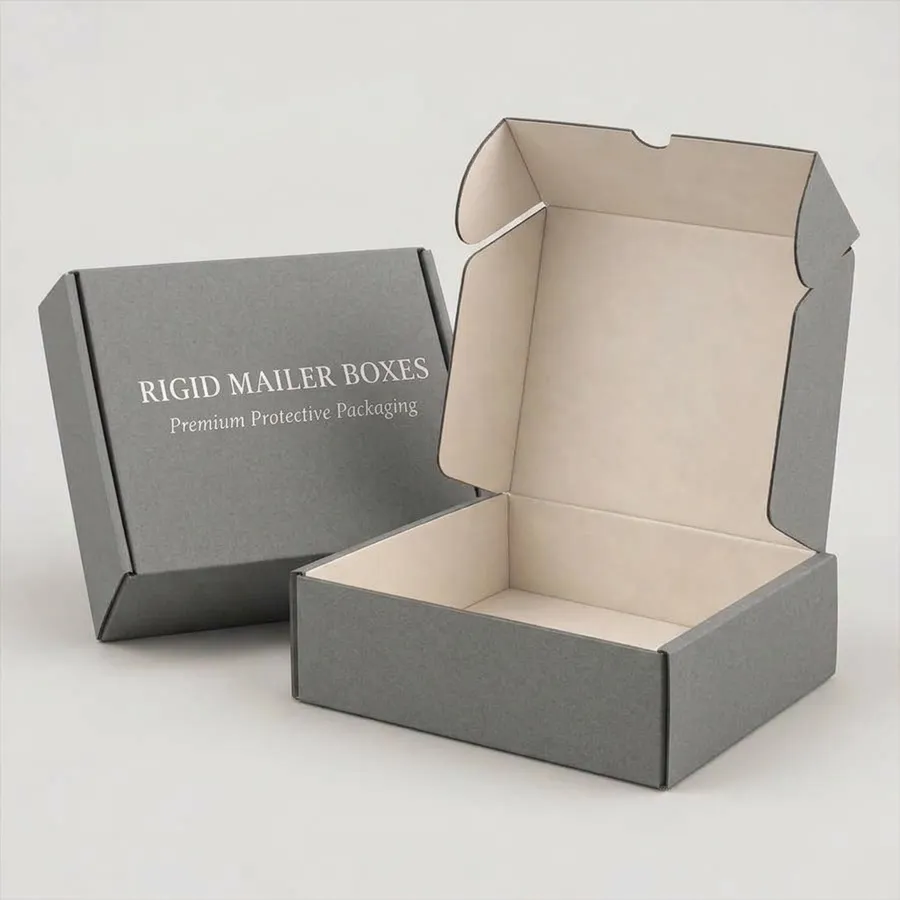
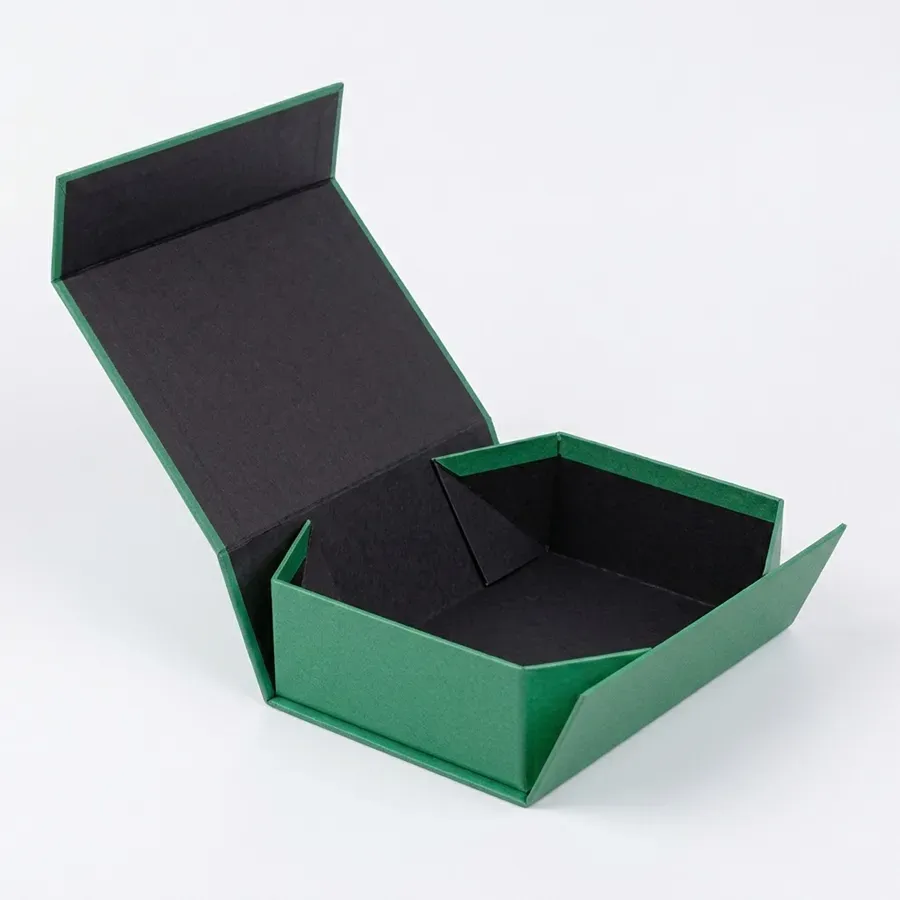
Custom Rigid Mailer Boxes combine the substantial feel of rigid packaging with a hinged mailer-style opening. Their sturdy walls, attached lid, and controlled closure create a premium presentation for cosmetics, electronics, jewelry, accessories, corporate kits, subscription products, and high-value ecommerce orders. Businesses can order
custom packaging boxes developed around the product dimensions, packed weight, opening sequence, insert, branding, and delivery route.
A rigid mailer should be distinguished from a standard corrugated mailer. Traditional rigid construction uses thick chipboard or rigid paperboard wrapped with printed paper, while corrugated mailers use fluted board for parcel strength. The selected structure should match whether presentation, direct shipping, or both are the main requirements.
What Are Custom Rigid Mailer Boxes?
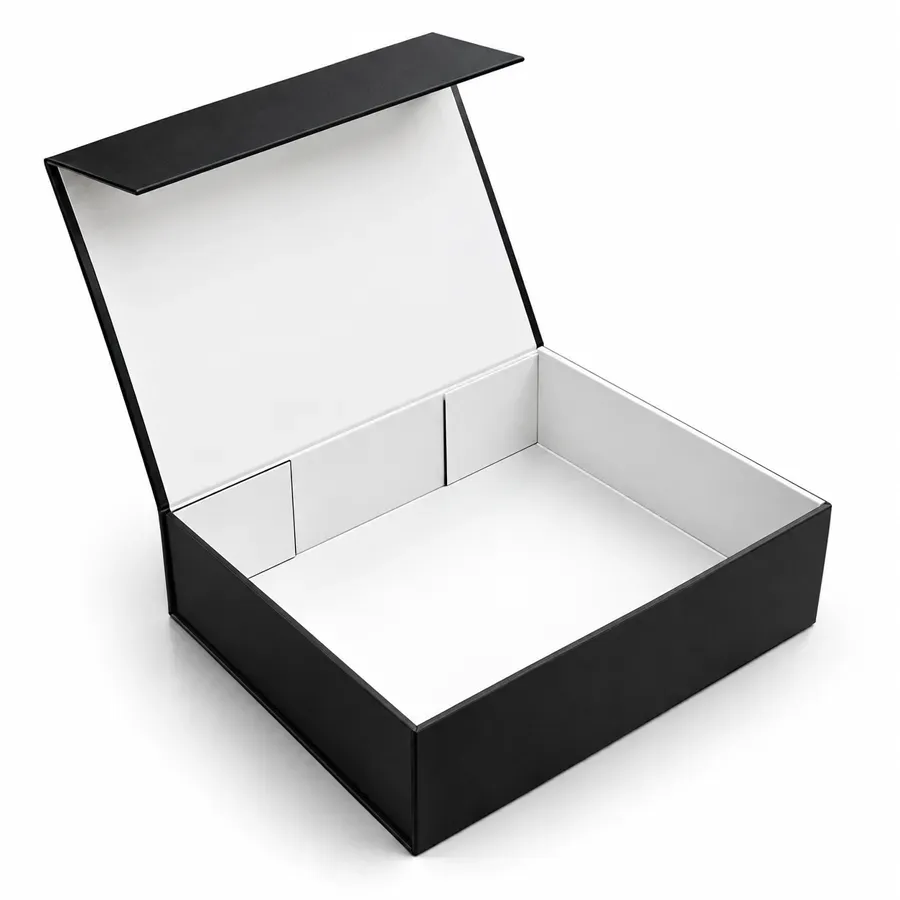
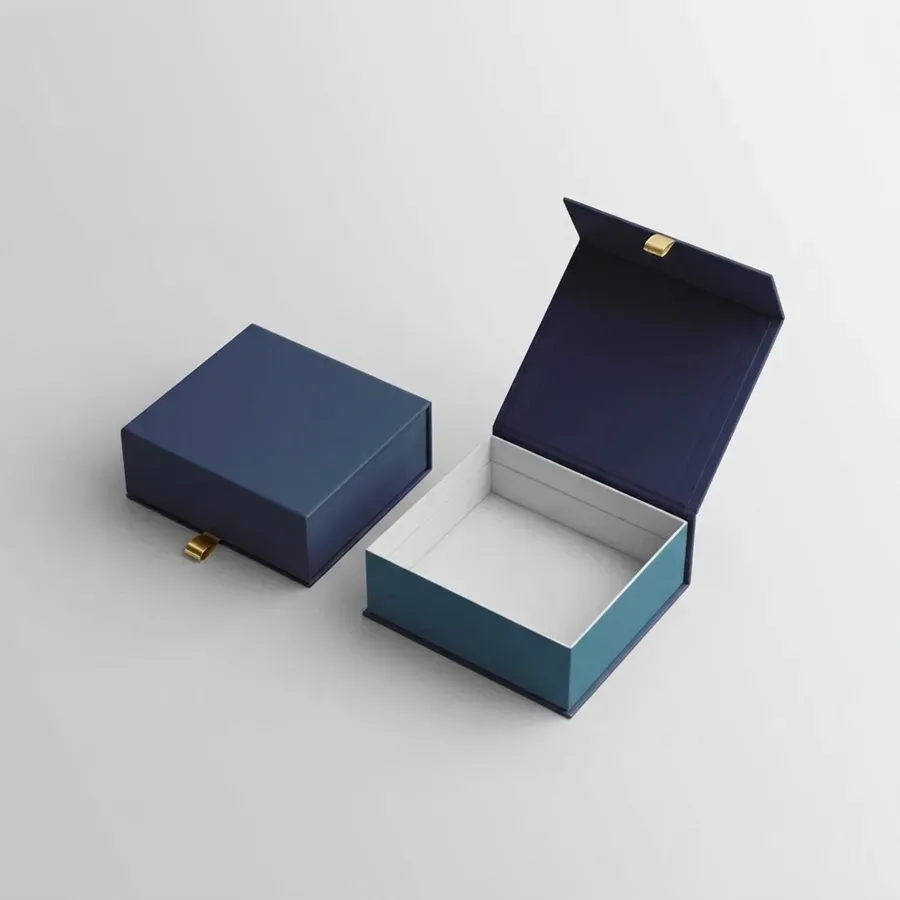
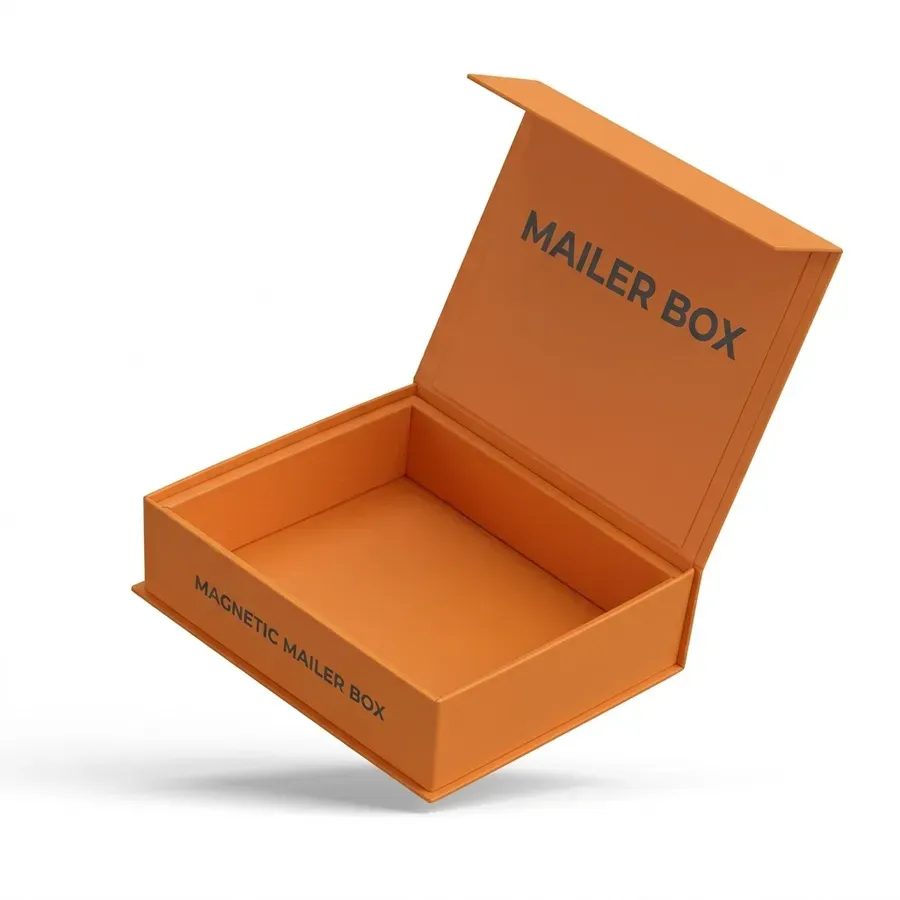
A rigid mailer box is a non-collapsible package with an attached lid that opens from the back or side. The lid may include hidden magnets, a front flap, ribbons, or another closing feature. Unlike a separate-lid box, both parts remain connected during opening.
The rigid walls provide a defined exterior shape, while the broad lid creates space for logos, artwork, product messages, and interior printing. A fitted insert can secure the product and prevent it from sliding when the package is opened.
Rigid mailers are generally supplied assembled and require more storage space than flat corrugated mailers. Businesses should consider warehouse capacity, case packing, and shipping volume before selecting the final dimensions.
Rigid Mailer Box Specifications
| Feature |
Available Options |
| Core material |
Rigid paperboard, chipboard, and wrapped board |
| Dimensions |
Custom length, width, depth, and lid size |
| Closure options |
Magnetic flap, ribbon, sleeve, label, and custom locking feature |
| Insert options |
Paperboard, molded pulp, corrugated, fabric-covered, and foam inserts |
| Printing |
CMYK, PMS, interior printing, and exterior printing |
| Finishes |
Matte, gloss, soft-touch, foil, embossing, and spot UV |
| Additional features |
Pull tabs, document pockets, sleeves, dividers, and trays |
Rigid Board Construction
Chipboard or rigid paperboard forms the structural body of the mailer. Board thickness should be selected according to the box dimensions, product weight, closure, and intended handling. A large lid may need additional stiffness to prevent warping.
The board is covered with printed, colored, kraft-style, or textured paper. This wrapping material creates the visible exterior and can continue across the lid, base, and internal surfaces.
Rigid construction is suitable when presentation and reuse are important. When parcel strength is the primary requirement,
corrugated mailer boxes may provide a more appropriate structure because fluted board is developed for compression, impacts, and distribution handling.
Hinged Lid and Closure Design
The attached lid should open smoothly without pulling against the base wrap or insert. The hinge area must tolerate repeated opening while maintaining alignment between the top and bottom sections.
Hidden magnets can provide a clean closure, but magnet size and placement should correspond to the lid dimensions and board buildup. A ribbon, sleeve, or removable label can provide another way to keep the package closed.
The closure should be tested with the box fully loaded. Product weight and insert height can affect lid alignment, flap tension, and the force required to open the package.
Custom Dimensions for Product Fit
Rigid mailers should be designed from the actual product rather than a standard outside size. Measure the product at its widest and tallest points and include accessories, cables, manuals, cards, wraps, and other components.
The inner dimensions should allow easy loading and removal without leaving excessive empty space. The lid must close without touching raised products or placing pressure on the insert.
For product-specific dimensions and internal organization,
product mailer boxes offer a relevant comparison. Each product configuration should retain its own approved dieline and insert.
Fitted Inserts for Rigid Mailers
An insert holds the product in a defined position and creates an organized reveal when the lid opens. A single cavity can frame one item, while multiple compartments can separate complete sets and accessories.
Custom mailer boxes with inserts demonstrate how the outer package and internal fitment can be developed as one system. Paperboard and molded-pulp inserts can provide paper-based options, while foam or fabric-covered supports may suit fragile or presentation-focused products.
The insert should remain seated during handling and opening. Finger notches, pull ribbons, and stepped platforms make products easier to remove without forcing customers to pry them from tight cavities.
Custom Insert Trays and Dividers
Some brands already have an approved rigid mailer and only need a replacement or redesigned internal component. Accurate inside dimensions, corner clearances, board buildup, and lid clearance are required before producing the insert.
Mailer box inserts can include platforms, dividers, product wells, retaining shoulders, and component trays. Every feature should correspond to a specific product rather than filling space unnecessarily.
Heavy products should not rest on weak unsupported platforms. The insert material and geometry must distribute weight into suitable areas of the box base.
Branding Across the Exterior and Interior
The outer lid can display the primary logo, product name, pattern, or campaign artwork. Side panels can carry smaller brand details, while the base may include product information, barcodes, or handling instructions.
The inside lid provides a large surface for a welcome message, product story, instructions, or promotional information. Interior printing should remain coordinated with the insert and product colors.
CMYK printing supports detailed multicolor designs, while PMS printing may be considered for specific brand shades. Artwork should account for hinge lines, wrap seams, corners, magnets, insert edges, and areas exposed to repeated rubbing.
Premium Finishes for Rigid Mailer Packaging
Matte lamination creates a smooth and restrained surface, while gloss lamination produces a brighter appearance. Soft-touch coating can add a velvety texture to the lid and sidewalls.
Foil stamping can highlight a logo or product name. Embossing raises selected details, debossing creates a recessed effect, and spot UV adds glossy contrast to specific areas.
Finishes should be evaluated on an assembled sample. Hinge movement, sharp corners, and repeated opening can affect coatings and decorative treatments differently from a flat printed sheet.
Rigid Mailers for Ecommerce Presentation
A rigid mailer can create a strong customer presentation for online orders, but decorative rigid packaging is not automatically suitable as the only shipping layer. Courier networks expose parcels to impacts, abrasion, compression, moisture, and uncontrolled stacking.
When transit performance controls the project,
shipping mailer boxes offer a more delivery-focused format. A rigid presentation box may instead be placed inside a correctly sized corrugated outer carton.
The complete system should be tested with the actual product, insert, rigid box, cushioning, outer carton, closure, and shipping label.
Packaging for Subscription and Launch Kits
Rigid mailers can organize product-launch kits, influencer packages, subscription collections, samples, and corporate presentations. Inserts can hold several items while printed areas explain the collection or guide the opening sequence.
The layout should consider component weight and removal order. Heavy products should remain supported and should not strike lighter items when the package is carried or tilted.
Reusable document pockets and removable trays can organize instruction cards, product literature, or promotional materials without placing them loosely over the product.
Lightweight Mailer Alternatives
Rigid construction may be excessive for lightweight items that do not require a premium non-collapsible package. Solid paperboard or chipboard mailers can provide a cleaner retail format with lower material weight.
Chipboard mailer boxes may suit cards, samples, accessories, stationery, and lightweight gifts. The material choice should follow the product, presentation level, storage method, and distribution route.
Natural Kraft Mailer Direction
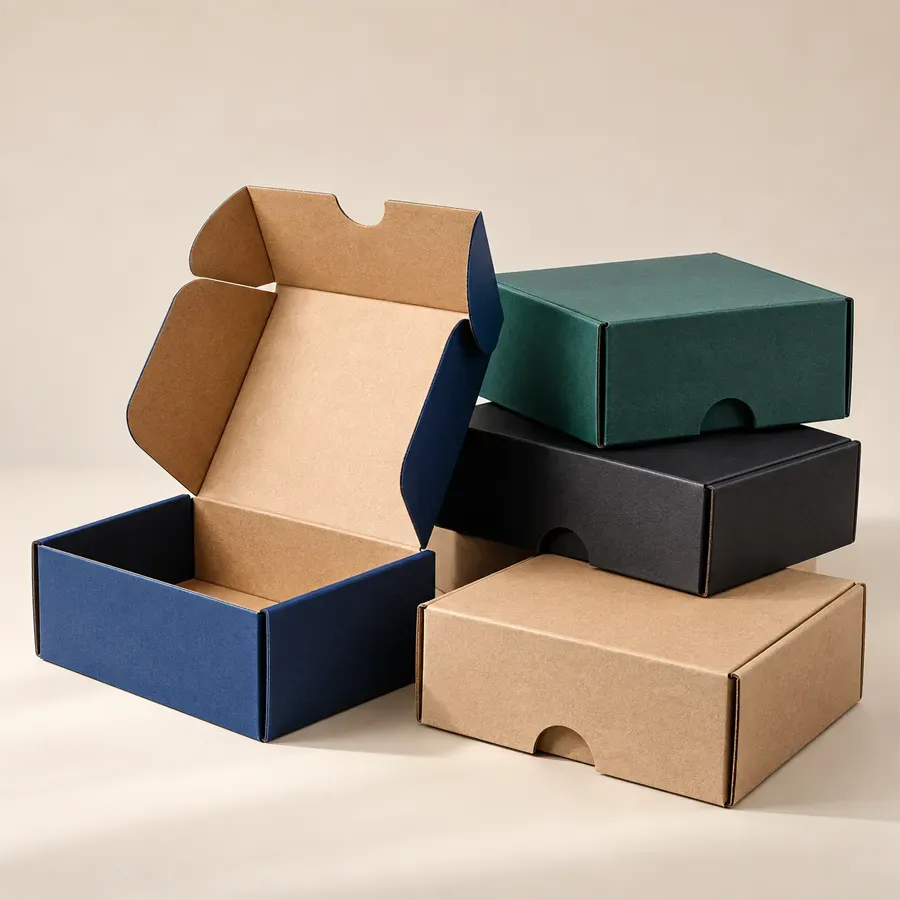
Brands seeking a natural paper appearance may use brown kraft wraps on rigid structures or select a kraft mailer made from folding or corrugated board. These are different constructions and should not be treated as identical.
Kraft mailer boxes provide a related option when natural board appearance and practical shipping lead the packaging decision. Material grade, recycled content, coatings, and environmental claims should be verified for the approved package.
Tuck and Locking Closure Options
Rigid mailers commonly use magnets, sleeves, or ribbons, but some projects may need a paper-based locking method. Closure geometry should be developed around the board type and expected number of openings.
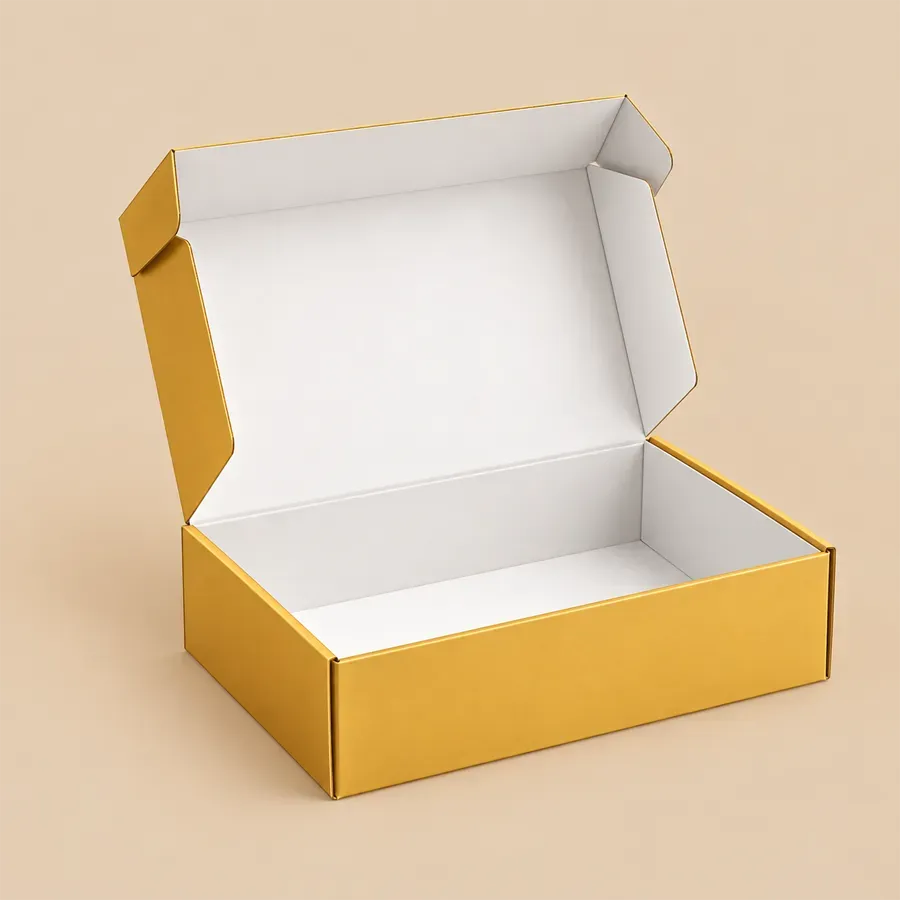
Tuck-top mailer boxes provide another closure-led format for retail and ecommerce products. A tuck mechanism designed for folding or corrugated board should not be copied directly onto thick rigid board without structural review.
Storage and Fulfillment Planning
Traditional rigid mailers are generally supplied assembled, which can increase warehouse and shipping volume. Final dimensions should therefore avoid unnecessary empty space while preserving product protection and presentation.
Packing teams need a repeatable sequence for insert loading, product placement, document addition, closure, inspection, outer packing, and labeling. Orientation marks can reduce mistakes when similar boxes contain different product variations.
Quality Checks Before Production
A filled sample should be reviewed for dimensions, hinge movement, lid alignment, closure strength, insert seating, product removal, and exterior appearance. Testing an empty box does not reproduce the behavior of the packed system.
Production checks may cover board thickness, cut accuracy, wrapping, glue, corners, hinge construction, magnet placement, print registration, finishing, insert fit, and case identification.
Order Custom Rigid Mailer Boxes
Provide the product dimensions, packed weight, preferred board, lid and closure requirements, insert layout, artwork, finishes, quantity, and delivery route. These details allow the rigid box, insert, and external shipping protection to be developed together.
A well-designed custom rigid mailer box should open smoothly, keep products organized, and deliver a consistent branded presentation. Its construction should match the product and approved distribution method rather than relying on appearance alone.
Frequently Asked Questions
Can Custom Rigid Mailer Boxes be made in custom sizes?
Yes. The length, width, depth, lid, and insert can be developed around the product.
Can rigid mailers include magnetic closures?
Yes. Hidden magnets can be incorporated when their size and placement suit the structure.
Can custom inserts be added?
Yes. Paperboard, molded pulp, corrugated, fabric-covered, and foam inserts can be considered.
Can the inside lid be printed?
Yes. Interior printing can include messages, instructions, artwork, and product information.
Are premium finishes available?
Yes. Matte, gloss, soft-touch, foil stamping, embossing, debossing, and spot UV are available.
Are rigid mailers suitable for ecommerce?
Yes. They can provide premium product presentation but may require a separate corrugated shipping carton.
Can one box hold several products?
Yes. Multi-compartment inserts can organize complete product sets and accessories.
Are rigid mailers supplied flat?
Traditional rigid mailers are generally supplied assembled because of their non-collapsible construction.
Can kraft paper be used on rigid mailers?
Yes. Kraft-style wrapping paper can create a natural exterior appearance.
Should I approve a filled sample?
Yes. A filled sample confirms product fit, closure, hinge performance, insert stability, and presentation.