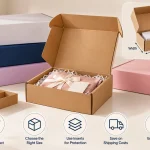
A product range rarely needs one identical packaging solution. Your everyday items, premium collections, sample products, and gift sets may differ in size, weight, presentation, and packing requirements. Custom cardboard and rigid boxes can work together within the same brand. The important decision is assigning each structure a clear purpose while keeping the collection visually connected. For example, a skincare brand might package individual products in printed folding cartons and present a coordinated gift collection in a rigid box. Both formats can share colors, typography, and logo placement while serving different buying occasions. WOW Custom Boxes this way starts with your products and operations. This guide explains how to organize the range, select suitable structures, and approve the details before ordering.
List every product that needs a box. Record its finished dimensions, packed weight, container type, included accessories, sales channel, and expected order quantity. Separate individual products from bundles. A single item may need a straightforward carton, while a collection requires room for several components and a planned interior layout. Also identify the package’s main role. Will it support retail display, gifting, customer collection, or delivery inside an outer shipping carton? This information creates a packaging map. It helps you identify where products can share a structure and where a separate design is needed. Avoid selecting boxes from photographs before these requirements are clear.

“Cardboard” is a broad material description. Ask the supplier whether the proposed construction is folding paperboard, corrugated board, or another specified board structure. Rigid boxes also commonly use paper-based board, but their construction typically involves a firm core covered with a separate wrapping material. They are not a completely unrelated material family. For this guide, cardboard cartons refer mainly to folding retail cartons, while rigid boxes refer to structures designed to maintain their assembled shape. Confirm the actual board, closure, and supply format for each proposal. Clear specifications make the order easier to compare and repeat than general terms such as “strong cardboard” or “luxury quality.”
Printed folding cartons can be considered for individual products that need clear branding, a suitable fit, and practical packing. When selecting custom cardboard boxes, review the complete product rather than its dimensions alone. Include closures, labels, leaflets, accessories, and any interior support. Choose a carton structure that staff can assemble and close consistently. Check whether its printed panels offer enough space for product names and other approved information. A simple carton can still create a polished presentation through accurate sizing, clean artwork, and well-made folds. Its suitability should be confirmed with the actual contents and intended handling process.
Some products benefit from a more substantial package or a carefully arranged opening experience. Gift collections, limited editions, and coordinated sets are examples worth reviewing. Consider custom rigid boxes when the structure, interior arrangement, and presentation support the product’s purpose. Decide what the format should achieve before adding decorative features. A rigid box should still fit the contents efficiently. Additional board, a larger footprint, or a complex closure does not automatically improve the package. Assess how customers open it, how staff load it, and where the empty stock will be stored. These practical details should be part of the decision alongside appearance.
A manageable number of packaging sizes can simplify storage and artwork preparation. However, shared sizes should follow verified product fit.
Measure the finished item at its widest and tallest points. Include caps, handles, raised labels, protective wraps, and anything else that remains inside.
Check every product assigned to a common carton. Two containers described as the same volume may have different profiles and need different support.
Allow the clearance required for loading and removal without creating unnecessary empty space. Ask the supplier to recommend dimensions after reviewing the structure and contents rather than adding a guessed allowance yourself.
The opening method affects customer access, packing, and the visible interior. A tuck closure may suit an individual retail carton. A separate lid and base can create a straightforward reveal for a collection. Other structures may use hinged lids or sliding trays. For products that need a removable lid, two-piece lid rigid boxes provide a format to review against the intended contents. Test the lid with the product loaded. Check its fit, opening effort, and clearance. The customer should be able to remove the item without catching it against the walls or disturbing other components.
Interior packaging should hold products in an organized position while allowing practical loading and removal. A folding carton may use integrated tabs or a separate paperboard support. A collection box may need compartments for several items. When planning rigid boxes with inserts, provide the complete product profiles and preferred arrangement. Explain which surfaces should remain visible when the lid opens. Check whether the insert presses against a fragile feature, obscures a label, or makes removal difficult. Review the box and insert together with representative contents. A well-presented interior still needs to work during real handling.
Your cardboard cartons and rigid boxes can look related without using identical artwork. Establish shared rules for logo position, typography, product naming, and accent colors. Then adapt those rules to each structure. For example, the front of a folding carton might carry the product name, while a rigid collection box places the collection identity on its lid. Both can retain the same visual hierarchy. Review the complete range together. Look for inconsistent logo sizes, crowded panels, and colors that appear disconnected. Keep product identification clear so customers understand each package’s contents and purpose.
Artwork can appear different on a folding carton and a rigid box wrap. Paper shade, texture, ink, and finishing can influence the result. Provide a physical reference when color consistency matters. Explain which elements must match closely and where an intentional variation is acceptable. Review representative printed samples or proofs on the proposed surfaces. A screen preview helps check layout but cannot fully represent material texture or finishing. Keep the approved references with the artwork files. If the paper or finish changes later, review the affected colors again before production.
Compare quotations using the full specification. Include the box, insert, printing, finishes, setup charges, sample arrangements, case packing, and delivery. Ask what is included rather than assuming every proposal covers the same components. Consider packing time and storage too. A structure that arrives flat may require assembly, while an assembled package may occupy more space before use. Separate quantities by size and artwork version. One total does not explain how the production order is divided. If the budget needs adjustment, ask which changes would simplify the package while preserving fit, identification, and the intended customer experience.

Retail and gift packaging should be reviewed alongside the delivery arrangement. A folding carton or rigid presentation box may require an outer parcel carton and appropriate internal support. Its appearance or substantial feel does not establish shipping suitability. Assess the complete packed order using the actual products, closures, inserts, and outer packaging. Check for movement, surface rubbing, and damage during representative handling. Keep shipping requirements in the brief from the beginning. This helps avoid approving a presentation box that later creates an awkward or unnecessarily large parcel configuration.
Confirm how each structure will arrive and how much space it will occupy. Many folding cartons can be supplied flat. Conventional rigid structures often arrive assembled, while suitable collapsible designs have their own setup requirements. Ask staff to trial the packing sequence. Observe carton assembly, insert placement, product loading, closing, and labeling. For a mixed range, keep box sizes and artwork versions clearly identified. Outer case labels should help staff locate the correct packaging without opening several cases. A attractive design becomes more useful when it is also easy to receive, store, and pack consistently.
Review each packaging format against the same essential questions.
| Decision | What to confirm |
|---|---|
| Product role | Individual retail item, collection, gift, or another defined use |
| Fit | Complete contents fit with practical loading clearance |
| Construction | Board, structure, closure, and supply format are specified |
| Interior | Supports and compartments match the actual products |
| Opening | Products can be accessed and removed easily |
| Branding | Shared design rules work across the range |
| Printing | Artwork and colors match approved references |
| Operations | Storage and packing steps suit the team |
| Delivery | The complete parcel arrangement has been reviewed |
| Order | Quantities, versions, costs, and arrival requirements are agreed |
Retain the approved sample, specification, dieline, and artwork revision together. These records provide a clear reference for the first order and future additions.
Before requesting options from WOW Custom Boxes, gather product measurements, weights, photographs, quantities, artwork status, and delivery requirements. Explain which products need individual cartons and which require a collection or presentation format. Mark undecided details so recommendations can be based on your priorities. You can contact the packaging team to discuss the range and prepare a coordinated brief. Approve each format against its actual contents so the final packaging supports both brand presentation and everyday operations.
Yes. Different structures can serve individual products and collections while sharing consistent colors, typography, and branding.
Provide finished dimensions, packed weight, container details, accessories, sales channel, quantities, and the intended packaging purpose.
Yes. Many rigid boxes use a firm paper-based board core with a separate exterior wrap. Confirm the exact proposed construction.
Yes. A shared size can work when every intended product fits correctly and the support, closure, and handling requirements are satisfied.
Insert requirements depend on the contents. Some products need fitted support or separation, while others can use a different approved interior arrangement.