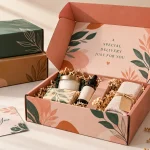
Two-piece rigid boxes, hinged presentation boxes, drawer boxes, and folding cartons can all suit CBD holiday gift sets. The best choice depends on the products inside, how they should appear when opened, and how the complete set reaches the customer. A compact bundle of individually boxed products may need a straightforward folding carton. A premium collection with several containers may benefit from a firm presentation box and a fitted insert. An online gift order also needs a shipping arrangement assessed separately from its decorative packaging. Start with the bundle layout rather than choosing a closure from a photograph. This guide explains how to select a box style around the actual contents, seasonal design, and packing process.
Create a final list of everything included in the bundle. Record the dimensions and weight of each finished container or individual product carton. Include cards, leaflets, accessories, and any protective components that travel inside the gift box. Clarify whether the products will remain in their individual cartons or sit directly in an insert. Those arrangements need different internal dimensions and presentation layouts. Use the final production containers where possible. A change to a bottle cap, jar diameter, or individual carton can affect the complete set. When reviewing custom CBD boxes, explain the bundle contents and intended packing arrangement. This helps connect the proposed structure to the specific gift set.
Decide what the customer should see first. A shallow box can present several items together. A deeper package may suit taller containers but can hide shorter products unless the internal layout accounts for the difference. Consider whether the customer should lift a lid, open a hinged panel, or slide out a tray. Each action affects product access and the available space. Avoid making the opening sequence unnecessarily complicated. A holiday gift set should remain understandable to someone who has not seen the packaging before. Test the opening with the contents in place. An empty mockup cannot show whether a product is difficult to remove or whether an insert blocks access.
A two-piece structure has a separate lid and base. It can provide a simple opening sequence and a broad view of the collection. This format can suit gift sets where the items should appear together in an organized tray. The lid depth and fit influence how the package feels when opened. Review whether the lid is easy to lift and whether the base remains stable. Leave appropriate clearance around the contents so the closed lid does not press against caps or individual cartons. For this presentation style, two-piece lid rigid boxes can be assessed around the approved bundle dimensions and internal layout. A separate lid should also be considered during packing and storage. Staff need a clear method for matching lids and bases across different sizes.
A hinged presentation box keeps the lid attached to the body. This can create an orderly opening experience and provide an interior panel for a short greeting or brand message. The closure might use a magnetic feature or another approved mechanism. Check its position and engagement with the filled package. Make sure the hinge opens far enough for customers to see and remove the products. A heavy lid should not make the package awkward to hold or unstable when displayed open. Review custom rigid boxes when a firm presentation structure suits the gift collection. The rigid construction and decorative finish do not automatically establish shipping performance. The delivery package still needs its own assessment.
A drawer box uses an inner tray that slides from an outer sleeve. It can suit a compact gift set with a controlled layout. However, the tray needs to remain stable while the customer pulls it out. Check the slide fit using the proposed board and finish. A tray that binds can be frustrating, while excessive looseness may allow unintended movement. Make product removal easy once the tray is open. Finger access or an appropriate lift feature may be useful where the insert fits closely around the containers.Choose this structure because it serves the bundle—not simply because the sliding motion looks interesting in a mockup.
A folding carton can be suitable when the gift set does not need a substantial presentation box. It may work for individually boxed products, compact combinations, or seasonal offers where storage and assembly are important considerations. Check the base, closure, and board against the complete load. Containers with concentrated weight may require a different structure from a lightweight collection of small cartons. Review the packing process as well. Staff should be able to erect the box, load the bundle, and close it without repeated adjustments. A clean folding carton with an appropriate internal arrangement can still provide a thoughtful gift presentation.
The outer box establishes the overall format, but the insert determines how the items sit inside it. Measure containers at their widest points. Include shoulders, lids, caps, and projecting details rather than relying only on the dimensions printed in a catalog. Decide whether the products will stand upright or lie horizontally. Their labels, closures, and removal method should be considered together. When discussing rigid boxes with inserts, specify each compartment and the intended product position. Check that the insert holds the items without applying unsuitable pressure. A neat appearance should not come at the expense of easy removal or container integrity.
A gift set may combine a tall bottle carton with a shorter jar or another container. Place the products deliberately so the shorter item does not disappear behind the taller one. A fitted platform or compartment arrangement may help when appropriate. Avoid adding decorative filler simply to raise an item without checking its stability. The product should remain in the intended position during the expected handling. Review the layout from the customer’s viewpoint when the package is first opened. Check whether each item is identifiable and accessible. If products change between bundle versions, confirm that the same insert still works. Similar-looking containers may need different cutouts.
Choose a small set of seasonal design elements that fit the brand.
A controlled color palette, a subtle pattern, or a removable sleeve can establish a holiday theme without covering every surface.
Keep the product identity clear. Seasonal graphics should not obscure container labels, essential information, or the distinctions between variants.
Review the outer artwork and interior arrangement together. A busy exterior paired with several differently printed product cartons can make the set feel visually crowded.
Temporary components can also provide flexibility. A seasonal sleeve or card may allow the main box to remain useful after the holiday campaign.
| Box style | Useful application | Main approval check |
|---|---|---|
| Two-piece rigid box | Collection displayed together in a tray | Lid fit, product visibility, and removal |
| Hinged presentation box | Attached lid and coordinated interior | Hinge movement, closure, and stability |
| Drawer box | Compact bundle with sliding access | Tray fit and secure product positioning |
| Folding carton | Practical seasonal combination | Base performance, assembly, and closure |
| Box with removable sleeve | Seasonal artwork on a reusable main design | Sleeve fit and access to essential information |
These are starting points for assessment. Final suitability depends on the actual products, materials, structure, and delivery arrangement.
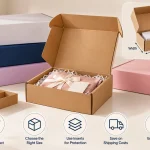
A holiday presentation box may require an outer carton for ecommerce delivery. Measure the finished gift box externally, then include the protection needed around it. Check the complete parcel weight, movement, and sealing method. Do not assume that a magnetic closure, thick decorative covering, or premium finish makes the gift box suitable for parcel handling by itself. For multi-set orders, review the combined shipping arrangement. Several gift boxes packed together may create different loading conditions from a single order. Agree on an appropriate sample and testing process for the intended delivery route before approving production.
Separate requirements by box size, insert layout, and artwork version. A total quantity can hide differences between a two-item set and a larger collection. It can also conceal shortages in one seasonal design. Confirm the minimum quantity and quotation for each version. If you select rigid packaging, plan around a minimum order of 100 boxes and confirm how that applies to the proposed specifications. Allow time for product measurements, structural samples, artwork review, production, and delivery. Use the schedule agreed for your project rather than assuming a standard turnaround applies to every gift set.
Review the filled package with the actual products and all supporting materials. Check the closure, insert fit, product access, artwork orientation, and packing sequence. Include the outer shipper if the set will be delivered online. Keep a photograph of the accepted arrangement and retain the approved sample reference. If a product container or bundle composition changes, review the affected checks again. A coordinated range of custom packaging boxes can support different gift-set sizes while maintaining a consistent brand design. Once the brief is ready, discuss your CBD gift packaging requirements with the team to review structures, inserts, artwork, quantities, and the required delivery date.
Choose the style that suits the bundle layout, product access, presentation, and delivery requirements. Approve it using the complete filled set.
Yes. When the dimensions and internal arrangement accommodate each product securely and provide suitable removal space.
Yes. They can support an attached-lid presentation, provided the hinge, closure, and product layout work correctly.
Check slide fit, tray stability, product positioning, and customer access after the tray is opened.
Yes. When the board, base, closure, and internal protection suit the complete load and intended handling.