

BOPP PE Sheets
BOPP PE Sheets combine the strength and print-friendly surface of BOPP with the sealing properties of polyethylene. They are suitable for flexible packaging applications where durability, presentation, product protection, and dependable heat sealing are important. Wow Custom Boxes provides customizable BOPP PE packaging solutions for food, sachets, consumer products, and other flexible packaging formats.
Turnaround
12-15 days
Rush in 8
Die-Line
Free
Unlimited revisions
Proof
Before print
Sample on request
Shipping
Free, US-wide
Tracked, 50 states
Get Your Custom Quote

Tea Sachets

Coffee Sachets

Instant Food Sachets

Candy Sachets

Snack Sachets

Pharmaceutical Sachets

Food Sauce Sachets
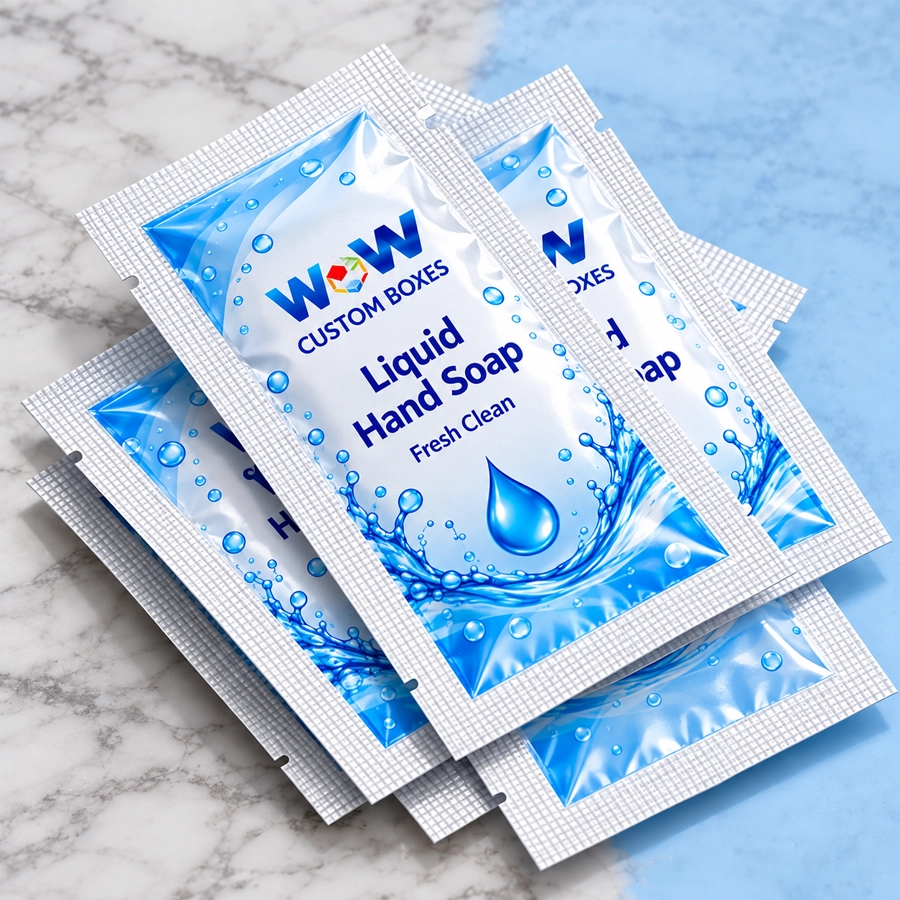
Liquid Soap Sachets

Cosmetic Sachets

Lotion Sachets

Shampoo Sachets
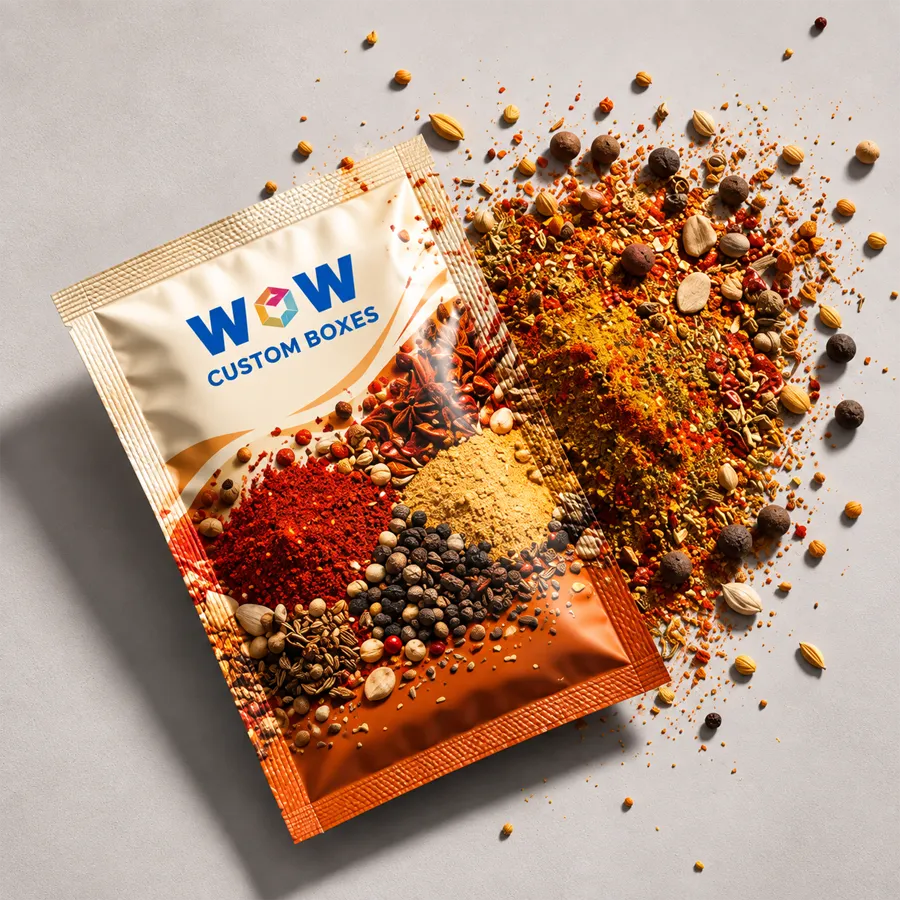
Spice Sachets
Customization options

Offset Printing

Digital Printing

Pantone Colors

Soft Touch Lamination

Spot Gloss UV

Hot Foil Printing

Blind Embossing

Window Patching

White Kraft

Natural Brown Kraft

Textured Paper

Grey Chipboard
BOPP PE Sheets for Flexible Packaging
BOPP PE Sheets are flexible packaging materials designed by combining biaxially oriented polypropylene (BOPP) with polyethylene (PE) to create a practical structure for packaging applications. This material combination can provide a useful balance of surface appearance, printability, flexibility, strength, and heat-sealing performance.
BOPP is widely used as an outer or printable layer because it offers a smooth surface that can support high-quality graphics and product branding. PE, meanwhile, is commonly used as a sealable layer in flexible packaging structures. When these materials are combined appropriately, the resulting packaging sheet can be converted into different formats according to the product, filling process, sealing requirements, and intended presentation.
At Wow Custom Boxes, BOPP PE packaging solutions can be customized around the intended application, structure, dimensions, printing requirements, and packaging format. This makes the material suitable for businesses looking for functional flexible packaging without sacrificing visual presentation.
What Are BOPP PE Sheets?
BOPP PE Sheets are laminated or co-structured flexible packaging materials that use BOPP and PE for different functional purposes. BOPP, or biaxially oriented polypropylene, is known for its smooth appearance, dimensional stability, and print-friendly surface. PE, or polyethylene, is commonly selected for its flexibility and heat-sealing characteristics.
The exact construction can vary according to the application. Factors such as thickness, layer arrangement, printing requirements, sealing temperature, product type, and desired barrier performance can influence the final packaging structure.
Because flexible packaging needs differ from one product to another, selecting the right material structure is important. Dry foods, powders, sachets, consumer goods, and other packaged products may require different specifications.
Materials Used in BOPP PE Sheets
| Material | Primary Role | Key Benefit |
|---|---|---|
| BOPP | Outer or printable layer | Smooth appearance, printability, and dimensional stability |
| Polyethylene (PE) | Sealing and flexible inner layer | Flexibility and heat-sealing performance |
| Printing Inks | Graphics and branding | Product identification and visual presentation |
| Adhesive / Bonding Layer | Layer integration where laminated construction is used | Helps maintain the combined material structure |
Key Features of BOPP PE Packaging Sheets
- Print-friendly surface: BOPP provides a smooth surface suitable for packaging graphics and branding.
- Heat-sealing capability: PE can provide a practical sealable layer for flexible packaging formats.
- Flexible construction: The material can be converted into different packaging structures and formats.
- Product presentation: High-quality printed surfaces can help packaging stand out on shelves and displays.
- Durable packaging structure: Properly selected constructions can provide useful resistance during handling and transportation.
- Customizable specifications: Thickness, dimensions, printing, and construction can be selected according to the application.
Where Are BOPP PE Sheets Used?
BOPP PE materials can be used across several flexible packaging applications. Their combination of printable surface and sealable construction makes them particularly useful where packaging needs both appearance and functional sealing.
Food packaging is one potential application area. Depending on the selected structure and product requirements, BOPP PE materials can be converted into packaging for dry products, snacks, seasonings, powders, and other packaged goods.
They can also be used in sachet production. For businesses requiring individual portions or compact flexible packs, material selection is important because the packaging must support filling, sealing, storage, handling, and product presentation.
For examples of flexible food-packaging formats, see our dry food sachets and high barrier sachets.
BOPP PE Sheets for Sachet Packaging
Sachets require a packaging structure that can be formed, filled, and sealed efficiently. BOPP PE constructions can be considered when a packaging project needs a printable outer surface combined with a sealable PE layer.
Applications can include single-use food products, seasonings, powdered products, personal-care products, and other small-volume packaged goods. The exact material specification should always be selected according to the product characteristics and packaging equipment.
Businesses developing portion-packaging formats can also explore powder sachets and cosmetic sachets as examples of products that use flexible sachet-style packaging.
BOPP PE Sheets for Food Packaging
Food packaging requires careful consideration of sealing, handling, product protection, printing, and storage conditions. BOPP PE structures can be useful for flexible food-packaging applications where the outer layer needs a clean printed appearance and the inner PE layer supports sealing.
Packaging requirements differ significantly between dry, oily, powdered, liquid, and moisture-sensitive products. For that reason, BOPP PE should not be treated as a single universal specification. Thickness, layer construction, sealing conditions, and the required barrier characteristics should be selected for the specific product.
For businesses working with portion-sized food products, our coffee sachets and tea sachets provide relevant examples of flexible sachet applications.
Printing Options for BOPP PE Sheets
One of the major advantages of BOPP is its suitability for printed packaging surfaces. Packaging artwork can incorporate brand colors, product information, illustrations, patterns, nutritional information, instructions, and other required graphics depending on the final packaging format.
A carefully planned print design can improve shelf presentation while helping customers identify the product. The artwork should be prepared according to the selected printing process, material construction, and intended finish.
For packaging applications where flexible printed material is important, businesses can also review custom food packaging and custom Mylar bags as alternative flexible formats.
Pros and Cons of BOPP PE Sheets
| Pros | Considerations |
|---|---|
| Good print presentation | Material structure must match the application |
| Useful heat-sealing characteristics from PE | Sealing performance depends on construction and equipment |
| Flexible and lightweight | Not every product needs the same thickness |
| Suitable for many flexible formats | Barrier requirements vary by product |
| Supports attractive packaging graphics | Correct printing specifications are important |
| Can be customized for different applications | Final performance depends on the complete material structure |
How to Choose the Right BOPP PE Sheets
Choosing the correct BOPP PE construction starts with understanding the product and packaging process. Consider the type of product being packed, its sensitivity to moisture or environmental exposure, filling method, sealing equipment, package dimensions, storage conditions, and expected handling.
Thickness is another important consideration. A lightweight structure may be suitable for some applications, while products requiring additional durability may need a different construction. The sealant layer should also be compatible with the filling and sealing process.
Printing requirements should be considered before production. If the packaging needs detailed graphics, strong branding, or product information, the selected BOPP surface and printing method should support the desired result.
BOPP PE Sheets vs. Other Flexible Packaging Materials
Different flexible packaging materials serve different purposes. BOPP PE is generally selected when the project requires a combination of a printable BOPP surface and a PE sealing layer. Other structures may be more suitable when specialized barrier, stiffness, transparency, or temperature requirements are involved.
For example, Mylar-style packaging may be selected for applications requiring a different barrier structure, while paper-based packaging can be preferable where a paper appearance or fiber-based construction is desired. The correct choice depends on the product and packaging objectives rather than simply selecting the most common material.
Why Choose Wow Custom Boxes?
Wow Custom Boxes focuses on customizable packaging solutions designed around product requirements and presentation. For BOPP PE Sheets, customization can be planned around material construction, dimensions, printing, packaging format, and intended application.
Whether you are developing food sachets, portion packaging, consumer-product packaging, or another flexible format, defining the material structure before production helps ensure that the packaging is aligned with the product and filling process.
Custom BOPP PE Sheets for Your Packaging Needs
If your packaging project requires a printable flexible surface, reliable sealing, and a customized packaging structure, BOPP PE Sheets can be considered as part of the material selection process. The right construction can help balance appearance, flexibility, sealing, and practical handling requirements.
From food packaging and sachets to other flexible formats, the material should be specified according to the product rather than using a one-size-fits-all approach. Discuss your required dimensions, application, printing needs, and packaging format to determine an appropriate BOPP PE solution.
Frequently asked questions
1. What are BOPP PE Sheets?
BOPP PE Sheets are flexible packaging materials that combine BOPP with polyethylene to provide a printable surface and a functional sealing layer for suitable packaging applications.
2. What does BOPP stand for?
BOPP stands for biaxially oriented polypropylene. It is commonly used as a packaging film layer because of its smooth appearance, printability, and dimensional stability.
3. What is the role of PE in BOPP PE packaging?
PE, or polyethylene, can serve as a flexible sealant layer. It is commonly selected where heat sealing and flexible packaging construction are required.
4. Can BOPP PE Sheets be printed?
Yes. BOPP provides a suitable surface for packaging graphics when the material and printing process are correctly specified for the application.
5. Are BOPP PE Sheets suitable for food packaging?
They can be considered for suitable food-packaging applications, but the final material construction should be selected according to the food product, filling process, storage conditions, and applicable packaging requirements.
6. Can BOPP PE be used for sachets?
Yes. BOPP PE structures can be considered for suitable sachet applications where printable packaging and a sealable layer are required.
Still have a question?
We reply within 2 hours on business days — email us or call your dedicated representative.
Not sure which box is right for you?
Answer three quick questions and we will recommend the right packaging for your product.
Find my box
Talk to a packaging expert
Get personalised recommendations and a free quote for your custom packaging.
Request free consultation
