Product Detailed Description
CBD Tuck Boxes with a Straightforward Retail Format
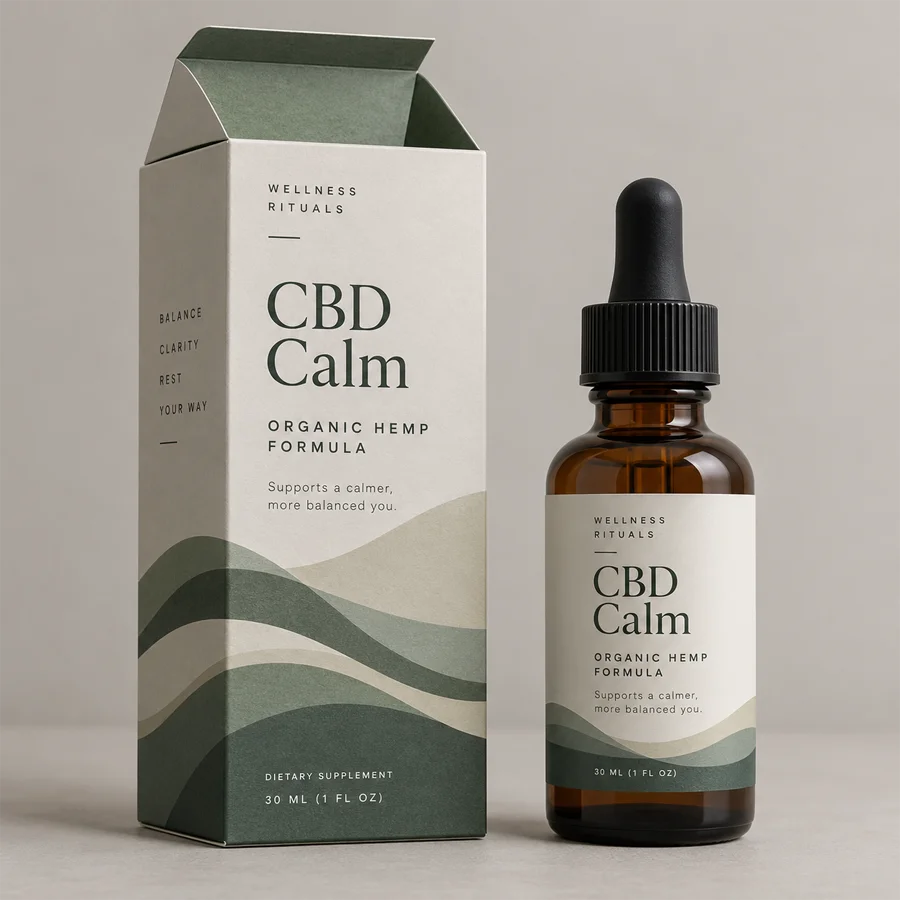
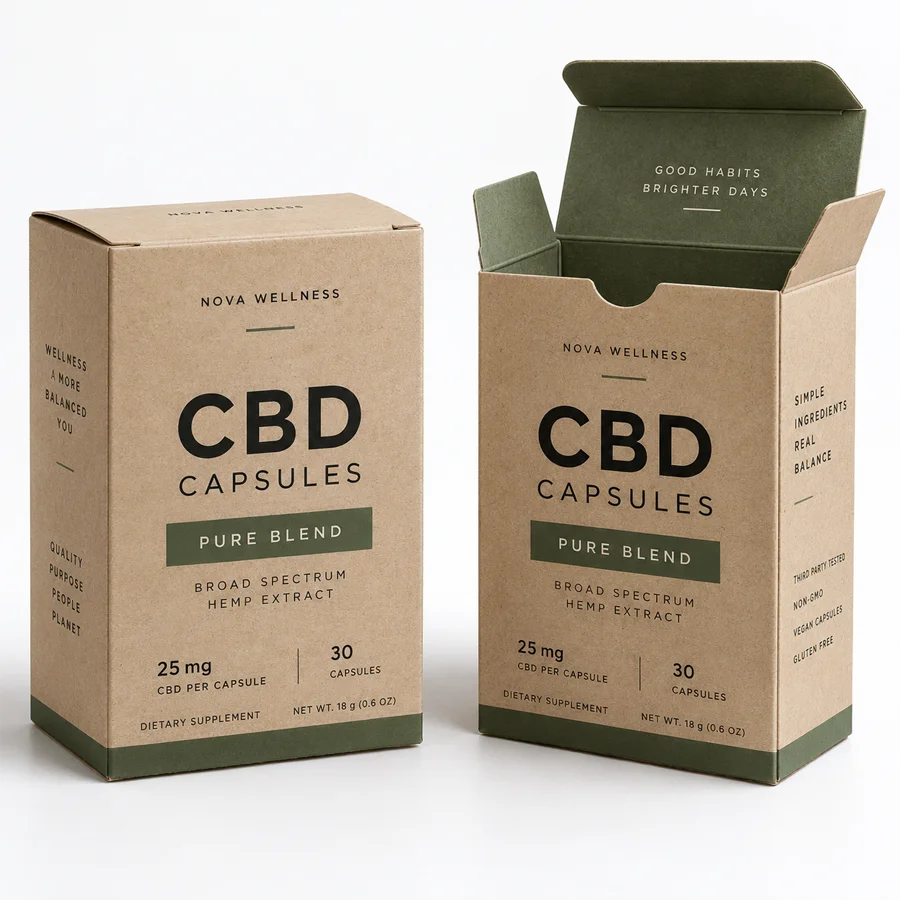
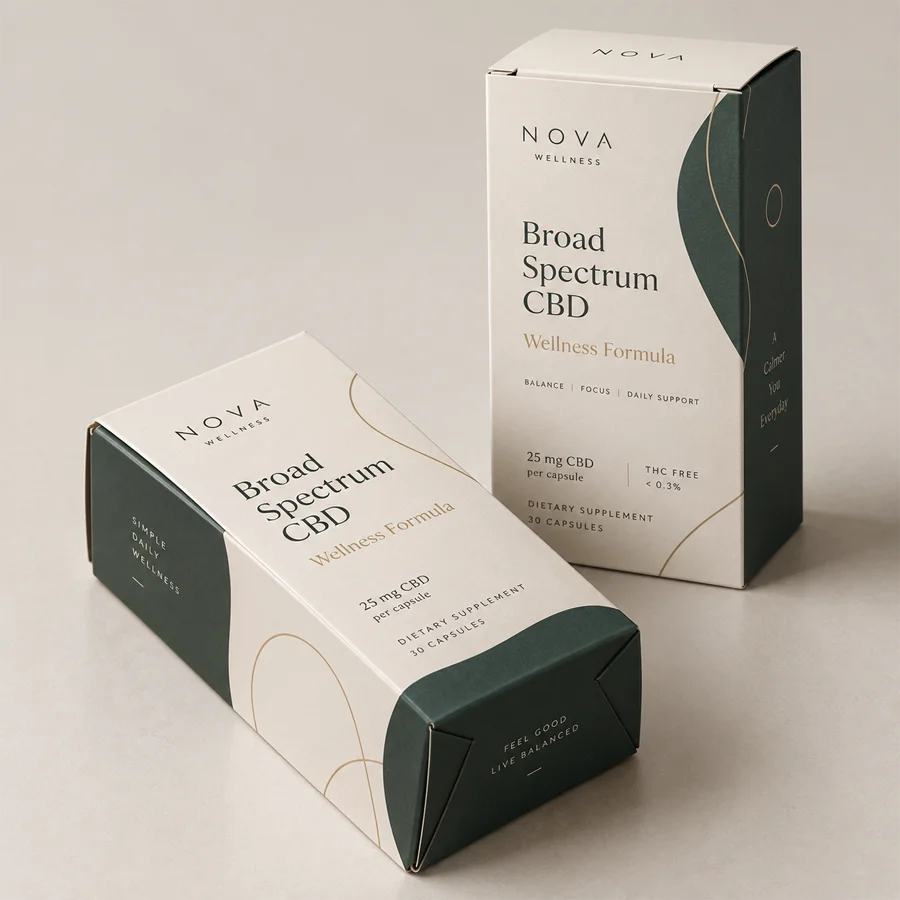
CBD tuck boxes use folding flaps to close an outer carton around your finished product. Their compact shape gives bottles, tubes and smaller containers a defined retail pack, with separate panels for branding and product information. The useful details are in the fit: the flap needs room to close, the contents need appropriate support and the customer needs a comfortable way to remove them.
WOW Custom Boxes develops
custom printed packaging around your container, artwork and packing process. For CBD brands in the USA, tuck cartons can provide a consistent format across several product variants. The contents remain in their appropriate primary containers; this packaging brief covers the printed outer box.
Choose the Flap Arrangement Before Preparing Artwork
Tuck cartons can have different opening arrangements. The direction of the flaps affects which panels meet, where artwork appears and how the product is loaded.
| Carton detail |
What your brief should establish |
| Product |
Finished bottle, tube, jar or other specified container. |
| Measurements |
Maximum outer dimensions with the closure fitted. |
| Tuck arrangement |
Opening direction and position of the top and bottom flaps. |
| Base construction |
Structure suited to the packed weight and handling. |
| Board |
Material, print surface and folding requirements. |
| Internal components |
Support or insert needed around the container. |
| Artwork |
Branding, variant information and approved product text. |
| Quantities |
Units for each size and artwork version. |
Paperboard That Folds and Closes Properly
The board needs to work with the size of the carton. On a narrow box, an unsuitable specification can make small flaps awkward to fold or leave the closure under pressure. A heavier container also brings the base construction into the decision. Explore
custom cardboard boxes when choosing the material direction. Compare the proposed stock with the actual carton dimensions and product weight. An assembled sample shows how the folds behave and whether the tuck flap seats comfortably. The print surface matters too. A light board gives artwork a different background from brown stock. If you change the material after approving colours, revisit the printed appearance.
Give Every Information Panel a Job
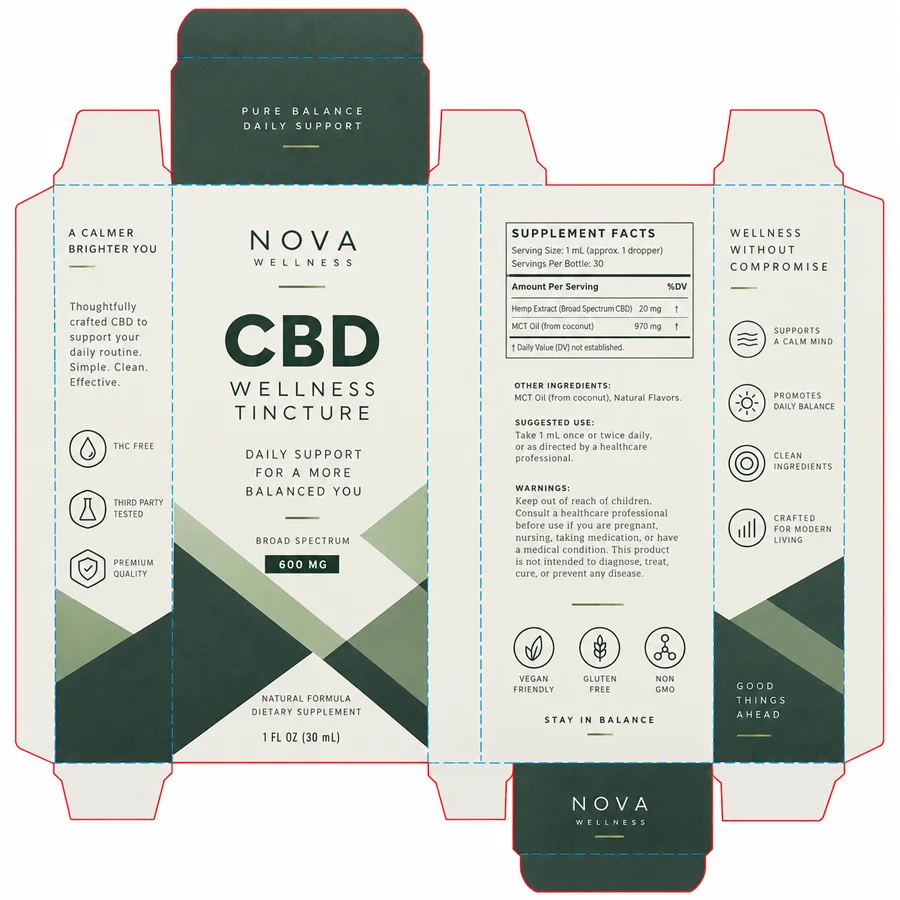
A tuck carton has more useful space than its front face alone. Keep the brand and product name on the main display panel, then organise supporting information across the sides and back. Put the variant reference where staff and customers can find it quickly. If products share a container size, a consistent layout can connect the range while names or codes distinguish each version. Colour is a supporting cue rather than a replacement for written identification.Supply final approved product wording before the layout is signed off. Include coding or other artwork elements your product team requires, and allocate enough space for them. Essential details should stay clear of the glue seam, folds and tucked sections that disappear inside the box.
Printing Details That Survive the Fold
A logo placed too close to the top edge can look crowded once the flap is folded. A border that crosses a corner may reveal alignment differences. View the artwork on the approved dieline and inspect a folded sample before judging the layout complete. Matte or gloss treatments can support different brand styles. Selected foil or raised details may suit a logo where the stock and production process allow them. Keep decorative effects away from small information text and establish their availability before finalising the files. Leave suitable space for any codes or labels applied after printing. Their position should remain accessible when the carton is assembled.
Size Around the Cap, Not Only the Bottle Body
Measure the complete closed container, including a dropper cap, pump cover or widened shoulder. Record the largest cross-section and overall height. Containers with the same stated fill volume can have different external dimensions and need different cartons. For bottle products,
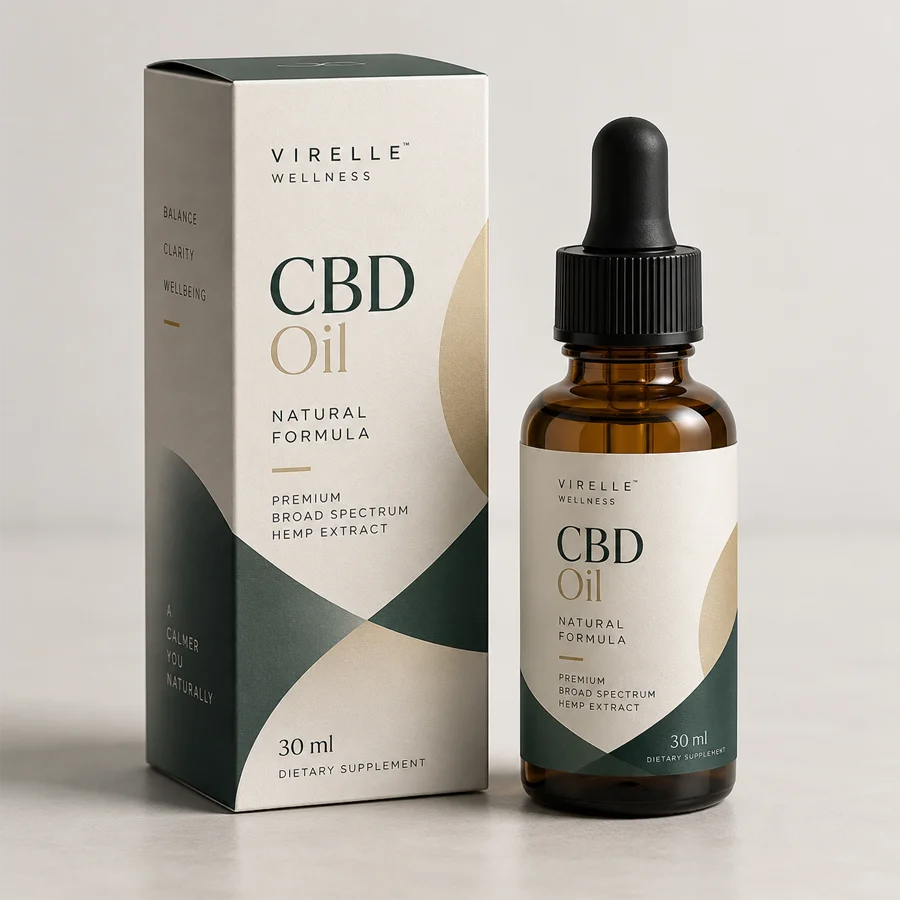
CBD oil boxes provide a related reference for the underlying fit. The carton should accommodate the closed bottle without the top flap pressing against its cap. Any inner support belongs in the dimensional review from the start.
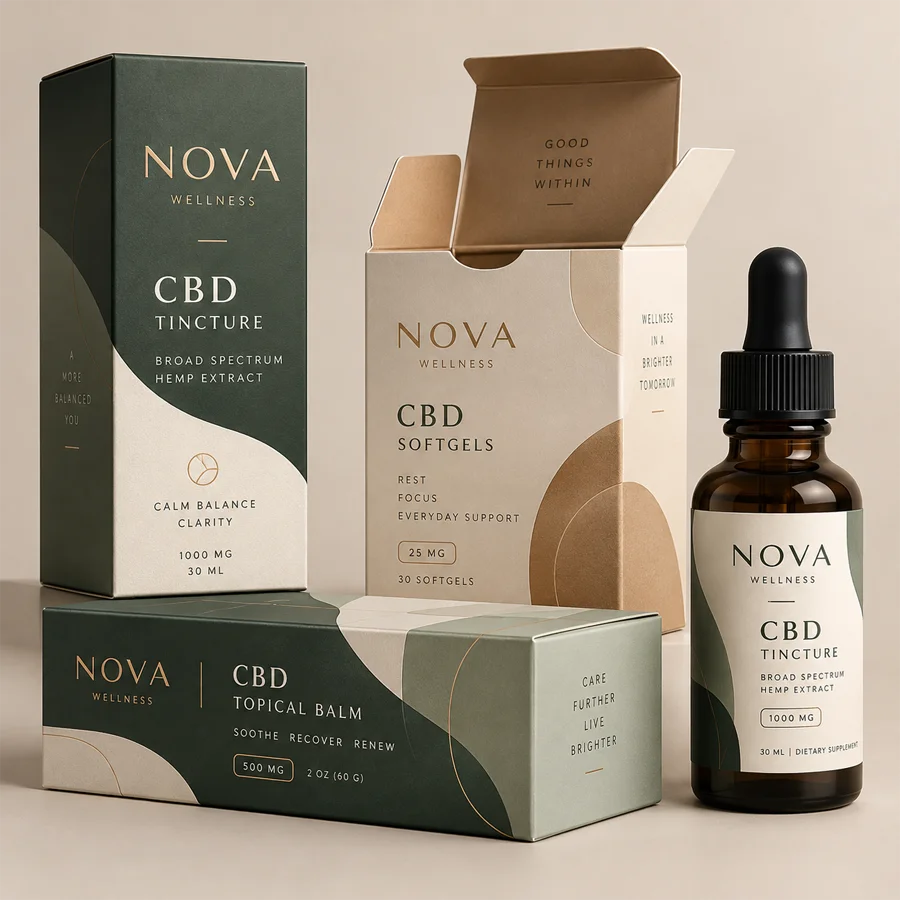
Custom CBD tincture boxes may need clearance around projecting closure details. Check loading and removal with actual products.
Straight Tuck, Reverse Tuck and Base Choices
In a straight tuck arrangement, the principal top and bottom flaps are attached on the same side of the carton. In a reverse tuck arrangement, they are attached on opposite sides. Their suitability depends on the product, artwork layout and packing method. Compare
custom tuck end boxes before settling on the dieline. Keep the opening direction consistent with the way the product will be presented. The base also needs to suit the packed weight; a familiar top closure does not settle every structural decision. Check whether staff can load the product without catching an insert or forcing the side flaps. During removal, the container should clear the opening comfortably. If extra force is needed to close the carton, revisit the fit instead of treating that pressure as normal.
Make the Carton Work on the Shelf
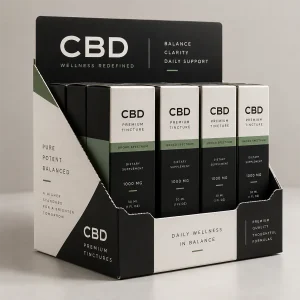
A narrow bottle carton may be displayed upright, while another product is presented in a tray. Decide the intended orientation before choosing the main display panel. Product identification needs to remain visible when several cartons sit next to one another. For countertop ranges, coordinate the cartons with
CBD display boxes. Row spacing should allow customers to remove one pack without pulling neighbouring products out of position. Check the arrangement using the final carton dimensions. For delivered orders, place the retail cartons within suitable
CBD mailer boxes and appropriate internal packing. The retail tuck closure is one part of the complete shipment. Assess the loaded system against its intended handling conditions.
Build a Repeatable Pack with WOW Custom Boxes
Bring a finished product, its measurements and your artwork requirements into the brief. Retain the approved dieline, packed sample and artwork version list for subsequent orders. When several variants share a carton, identify which files change and which structural details stay the same. A new cap or container shape should prompt another fit review, even if the product name and fill volume have not changed.
Request a Quote for Your Tuck Cartons
Send your measurements, quantities and logo files to
request a CBD tuck box quote. Include container weight, internal components and delivery destination. Pricing can then address the actual closure, material and printing scope your product requires.
Frequently Asked Questions
1. What makes a box a tuck carton?
Its closure includes a flap that folds into the carton opening. The precise flap and base arrangement can vary.
2. Can I choose straight or reverse tuck?
Yes. Discuss the opening direction, product and artwork layout before the dieline is approved.
3. Can the box fit a dropper bottle?
Yes. Provide complete capped measurements. Allow for the widest closure details and any internal support.
4. Which board thickness should I choose?
Material selection depends on dimensions, loaded weight and construction. Review an assembled sample rather than thickness alone.
5. Can I use different artwork for each variant?
Yes. List the files and quantities separately. Keep names, codes and colour references consistent.
6. Can I add an insert?
Yes. Share the container dimensions and packing layout. Check loading access and removal with the insert fitted.
7. Can I print inside the carton?
Yes. Ask about availability for your structure and stock. Establish which interior areas remain visible after assembly.
8. What is the minimum order quantity?
Request the current minimum for the selected material, construction and artwork versions before finalising quantities.
9. Does the outer carton replace the product container?
The product still needs appropriate primary packaging. This enquiry covers the printed outer carton.
10. What should I test in a sample?
Check flap movement, base support, cap clearance and product removal. Read all printed panels after folding.