Product Image
Product Image
Product Image
Product Image
Product Image
Product Image
Product Image
Product Image
logos payment

Clothing Boxes

in stock
| SKU: WCB-67

$0.10

Enjoy free shipping on all orders—just use code WowFree at checkout!

Add to cart
For Custom Sizes: Get Free Quote

    WOW Custom Boxes Shop
    View Store
    Fast Delivery

    Deliver in 7 to 10 Working Days.

    Free Design Support

    24 Hours Free Design Support.

    Secure Payment

    We ensure secure payment!

    Support 24 Hours

    Contact us 24 hours Mon-Fri.

    Quality Service

    At WOW Custom Boxes, we are committed to delivering exceptional quality in every service.

    100% Satisfaction Guaranteed
    Specifications Details
    Dimension (L + W + H) All Custom Sizes & Unique Shapes
    Quantities Minimum Order Quantity is 500 Pieces
    Paper Stock BoPET (biaxially-oriented polyethylene terephthalate) film, 89 µ to 178 µ (or 3.5 mils up to 7 mils)
    Printing No Printing, CMYK, CMYK + 1 PMS color, CMYK + 2 PMS colors
    Finishing Gloss Lamination, Matte Lamination, Gloss AQ, Gloss UV, Matte UV, Spot UV, Embossing, Foiling
    Included Options Die Cutting, Gluing, Scoring, Perforation
    Additional Options Zipper, Hanging holes, Tear Notch, stand-up feature, child-resistant lock
    Proof Flat View, 3D Mock-up, Physical Sampling (On request)
    Turnaround 7 - 10 Business Days
    Product Description

    Custom clothing boxes give fashion brands a structured way to package shirts, dresses, trousers, hoodies, knitwear, jackets, uniforms, and apparel sets. Designed around folded garment dimensions, fabric thickness, accessories, and the sales channel, these boxes can include branded printing, tissue, inserts, sleeves, windows, and tailored closures. WOW Custom Boxes helps retailers create packaging for shelves, ecommerce orders, seasonal collections, wholesale fulfilment, and gifts.

    Product Detailed Description

    Custom Clothing Boxes Designed for Organized Apparel Presentation

    Custom Clothing Boxes give fashion brands a professional way to package shirts, dresses, trousers, hoodies, knitwear, jackets, uniforms, sleepwear, and coordinated apparel sets. Begin with the garment’s folded dimensions, fabric thickness, shape, accessories, quantity per box, and intended sales channel. WOW Custom Boxes can organize the packaging brief around approved measurements, material, structure, artwork, inserts, closures, and production requirements. Clothing packaging should protect the folded garment while creating a consistent experience across retail, ecommerce, wholesale, and gift orders. The box needs enough space for loading without excessive movement, while the exterior should communicate the brand and product information clearly. For a wider packaging direction, explore custom packaging boxes, but keep this page focused on general clothing fit, apparel organization, branding, storage, and fulfilment.

    Custom Clothing Box Specification Options

    Use this table to organize the main product, material, structure, branding, and handling requirements before requesting production.
    Custom clothing packaging planning guide
    Decision Project direction Approval purpose
    Product fit shirts, dresses, trousers, hoodies, jackets, knitwear, uniforms, or apparel sets Controls internal clearance
    Garment preparation folded, tissue-wrapped, banded, bundled, or insert-supported clothing Defines loading and presentation
    Material paperboard, kraft board, solid board, rigid board, or corrugated construction Matches product and handling needs
    Structure tuck end, two-piece lid, drawer, sleeve, mailer, or custom folding format Defines opening and storage behavior
    Branding logo, collection name, size, care details, colors, and product information Supports recognition and communication
    Operations flat storage, folding, garment loading, sealing, labeling, and dispatch Supports repeatable fulfilment

    Define the Garment and Finished Fold

    Custom Clothing Packaging Boxes should be developed around the garment in its final packed condition. Record the length, width, and height after folding, along with fabric weight, thickness, collars, sleeves, buttons, zippers, pockets, embellishments, labels, tissue, and product cards. A folded shirt may require a shallow rectangular box, while a hoodie, knitted garment, or structured jacket may need more depth and additional clearance. The folding method should be consistent before measurements are taken. If the garment will be wrapped in tissue, secured with a paper band, or placed with a size card, include those elements in the approved dimensions. Packaging designed only around an unfolded product category may create unnecessary space or cause pressure during loading. Check the garment at its widest and tallest folded points. Ensure that collars, cuffs, buttons, sequins, embroidery, and other raised features are not pressed against the lid or side panels. If several garments are packed together, record the total volume and weight rather than estimating from one item.

    Select Materials for Clothing Protection and Presentation

    Printed Clothing Boxes can use folding carton board, kraft paperboard, solid board, rigid board, or corrugated construction depending on the garment, box style, presentation level, storage method, and shipping route. Consider stiffness, surface smoothness, edge quality, fold performance, print compatibility, finishing, and the weight added by inserts or tissue. A lightweight folding carton may suit shirts, scarves, small garments, and compact sets. A thicker board can create a more substantial retail or gift presentation, while corrugated construction may be evaluated when the packed clothing must travel through parcel networks. For fashion-focused packaging options, compare custom apparel boxes. The selected material should still match the actual garment, packed weight, structure, and handling conditions. When a board-based format is preferred, review cardboard clothing packaging. Confirm the board grade, thickness, coating, recycled content, adhesive, and print surface before production. Broad claims such as eco-friendly, protective, or premium should be supported by the exact approved construction.

    Choose a Structure for the Garment Type

    The box structure affects loading speed, opening behavior, shelf appearance, stacking, and storage. Tuck-end formats can offer efficient folding and closure for everyday clothing, while two-piece lid boxes can create a more deliberate retail or gift experience. Drawer boxes may suit premium garments, and sleeves can add an outer branded layer around a simpler inner package. A garment box should allow the clothing to be removed without pulling against buttons, collars, zippers, embellishments, or carefully folded edges. Every flap, tab, score, sleeve, insert, and opening feature should have a defined purpose. Review the dieline in both flat and assembled form, and mark glue areas, closure buildup, loading direction, label zones, and product access. When packaging is designed mainly for online orders, compare ecommerce clothing boxes. This keeps the structure connected to the customer’s buying journey, warehouse workflow, and delivery requirements.

    Prepare Clothing Boxes for Ecommerce Shipping

    Clothing Shipping Boxes should balance garment organization with efficient parcel handling. Consider shipping dimensions, carrier handling, stacking, vibration, abrasion, label placement, sealing, and the amount of movement inside the box. A package with excessive empty space may allow the garment to shift, while an undersized format can compress folds or strain the closure. Test the complete order combination when clothing is sold online. A single shirt, a two-piece outfit, a winter hoodie, and a seasonal clothing bundle can all require different internal space. Include tissue, thank-you cards, discount inserts, size cards, and protective wrapping during the approval process. For direct delivery, check whether the box can be stored flat, erected quickly, loaded consistently, closed without excessive tape, labeled clearly, and opened easily by the customer. A mailer structure may be suitable when an integrated lid and locking tabs are required. Review clothing mailer boxes when ecommerce delivery is a major part of the packaging brief.

    Use Branding to Identify the Apparel Collection

    Branded Clothing Boxes can communicate the brand through logo placement, typography, colors, patterns, collection names, garment sizes, care information, and product stories. A minimalist fashion label may prefer a restrained exterior, while a streetwear, children’s, sportswear, or seasonal brand may use stronger graphics and energetic colors. Use the lid, side panels, sleeve, insert, or interior surface to create a consistent opening experience. Product information should remain readable, especially when the packaging must identify size, color, material, collection, care instructions, or style. Keep barcodes and operational labels in areas that remain accessible during retail handling and fulfilment. Artwork should be reviewed on an assembled and filled sample. Folds, seams, corners, lid edges, sleeves, and inserts can change how the design appears. Board shade, coating, ink coverage, and finishing may also affect final color reproduction, so a physical proof can be valuable for important brand colors.

    Add Tissue, Bands, and Inserts

    Apparel Gift Boxes may include tissue paper, paper bands, belly bands, dividers, garment cards, size labels, and shaped inserts. These features can organize a coordinated outfit, improve opening presentation, and separate different pieces within one package. Inserts should be developed around the garment so that they do not create pressure, sharp edges, or unnecessary loading time. Tissue can help create a clean presentation and fill controlled gaps, while a paper band can keep a folded shirt, scarf, or lightweight garment aligned. Dividers may be considered for multi-piece sets, different colors, or separate product components. Product cards can communicate sizing, care guidance, collection details, and brand messaging without overcrowding the main panels. Every internal component should support a real packaging need. Extra materials can increase cost, storage volume, and fulfilment time if they do not improve fit or presentation.

    Support Retail Display and Inventory Control

    Clothing Retail Packaging should be easy for staff to identify, stack, replenish, and rotate. Consider whether boxes will sit on shelves, remain behind a counter, form part of a display unit, or arrive inside larger shipping cartons. Collection names, sizes, colors, garment types, and product codes should be visible without opening every package. Consistent external dimensions can create a neat shelf appearance, but different garments may still require different depths or internal clearances. Shirts, dresses, trousers, hoodies, jackets, and knitwear should not be forced into one universal box when their fabric volume and folded shapes vary significantly. For presentation-led retail packaging, explore clothing display boxes. Confirm that the display feature does not reduce closure security, product fit, storage efficiency, transport performance, or customer access.

    Consider Premium Clothing Presentation

    Premium Garment Packaging can use rigid board, textured papers, soft-touch coatings, foil accents, embossing, debossing, magnetic closures, sleeves, and carefully positioned interior branding. These options may suit designer apparel, bridalwear, formal clothing, limited collections, uniforms, and curated gift sets. Rigid construction can create a substantial presentation, but it may require more storage space and increase shipping volume. Approve the lid fit, garment clearance, insert placement, loading process, opening sequence, and complete packed size before selecting a heavier format. For luxury presentation, compare rigid apparel boxes. Finishing should be chosen according to the board, artwork, quantity, handling conditions, and intended customer experience.

    Evaluate Transit Protection and Outer Packaging

    When clothing boxes must travel through parcel networks, evaluate the complete packed system for compression, corner impact, vibration, abrasion, closure release, garment movement, and deformation. Empty packaging does not reproduce the behavior of a filled box containing clothing, tissue, inserts, labels, and promotional materials. For an additional outer shipping format, compare corrugated clothing boxes. The final construction should be selected according to garment weight, box dimensions, board grade, packing method, route, stacking conditions, and approved testing. A strong outer package should work together with the inner clothing box rather than replace proper internal fit.

    Keep the Search Intent Separate

    This page is dedicated to broad clothing packaging, including shirts, dresses, trousers, hoodies, jackets, knitwear, uniforms, folded garment sets, retail presentation, ecommerce orders, and wholesale fulfilment. Custom Underwear Boxes should focus on underwear and lingerie fit, Custom Swimwear Boxes should address swimwear products, and Custom Hat Boxes should focus on crown and brim protection. Separating these subjects reduces keyword cannibalization and gives each page a clear buyer purpose. The clothing page should answer general garment packaging questions, while narrower apparel pages should address their own shape, material, structure, handling, and customer experience.

    Approve Samples and Prepare Order Details

    Before production, provide the garment measurements after folding, product quantity per box, fabric thickness, accessories, preferred structure, material direction, artwork, finishing, insert requirements, total quantity, destination, and required delivery schedule. Mention whether the boxes will be used for retail shelves, ecommerce orders, wholesale packing, seasonal collections, uniforms, promotional kits, or gifts. A flat proof checks copy, logo placement, artwork position, and color direction. An assembled and filled sample reveals the actual garment fit, closure tension, loading process, product access, shelf appearance, and opening experience. Keep the approved sample and specification recorded for consistent repeat orders.

    Request a Custom Clothing Box Quotation

    Share your garment measurements, folded product images, box style, material preference, artwork, quantity, insert requirements, and deadline. WOW Custom Boxes can help organize a product-specific packaging brief for clothing brands, fashion retailers, ecommerce stores, wholesale orders, seasonal collections, and gift-ready apparel presentation.

    Frequently Asked Questions

    What are custom clothing boxes? Custom clothing boxes are product-specific packages designed for shirts, dresses, trousers, hoodies, jackets, knitwear, uniforms, and coordinated apparel sets. Their dimensions, materials, structures, printing, and inserts can be customized around the approved garment.
    What should I measure before ordering? Measure the garment after folding and record its length, width, height, fabric thickness, accessories, labels, tissue, inserts, and product cards.
    Can one box fit different clothing styles? One box can fit different clothing styles only when their folded dimensions, fabric volume, shape, and loading requirements are similar.
    Which materials can be used for clothing boxes? Possible materials include folding carton board, kraft paperboard, solid board, rigid board, and corrugated construction. The final selection depends on the garment, structure, presentation, storage, and shipping requirements.
    Can clothing boxes include a logo? Yes. Logos can be printed on the lid, side panels, sleeve, insert, interior surface, product card, or other approved packaging areas.
    Can I customize the clothing box size? Yes. The box can be developed around the folded garment, product quantity, fabric thickness, tissue, inserts, closure clearance, and intended sales channel.
    Are clothing boxes suitable for ecommerce? They can be designed for ecommerce when the internal fit, board, closure, label area, outer packaging, shipping route, and product protection are evaluated together.
    Can I add tissue or inserts? Yes. Tissue paper, paper bands, dividers, product cards, belly bands, and shaped inserts may be considered for improved organization and presentation.
    Can I order premium apparel gift boxes? Yes. Premium formats may include rigid board, textured papers, foil details, embossing, debossing, soft-touch coatings, magnetic closures, sleeves, and branded interiors.
    What information is needed for a quotation? Provide folded garment dimensions, product images, quantity per box, material preference, structure, artwork, finishing, inserts, destination, total quantity, and required delivery schedule.

    You Might Also Like

    Socks Boxes Bulk
    Socks Boxes Bulk
    Fast Delivery Service
    $0.10/Qty
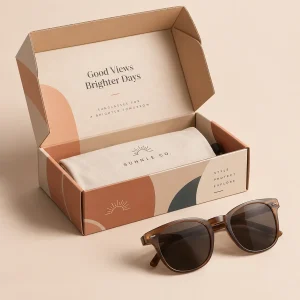
    Custom Sunglasses Boxes
    Custom Sunglasses Boxes
    Fast Delivery Service
    $0.10/Qty
    Luxury Rigid Boxes
    Luxury Rigid Boxes
    Fast Delivery Service
    $0.10/Qty
    Custom Textile Boxes
    Custom Textile Boxes
    Fast Delivery Service
    $0.10/Qty
    Custom Vape Cartridge Boxes
    Custom Vape Cartridge Boxes
    Fast Delivery Service
    $0.10/Qty
    Custom Lip Balm Boxes
    Custom Lip Balm Boxes
    Fast Delivery Service
    $0.10/Qty
    On Sale Foam Shippers
    Foam Shippers
    Fast Delivery Service
    $0.18 /Qty $1.00
    Free Shipping
    Enjoy Free shipping all over the US
    100% Satisfaction
    Quality guaranteed for every order.
    Secure Payments
    Safe and trusted payment options.
    24 Hours Support
    We are available from Monday- Friday 24 Hours.