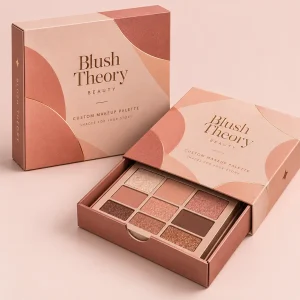
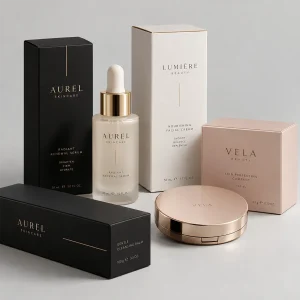
Cream Boxes Built for a Clear Commercial Purpose
Cream Boxes should begin with the real item, process, and route. This page focuses on core cream product cartons with jar or tube fit, information panels, inserts, branding, finish, and retail or ecommerce handling. Wow Custom Boxes can organise size, material, structure, artwork, and packing choices, while final suitability follows the approved specification and real-use tests.
This is the broad structural cream-carton page; makeup cream boxes own shade-led colour cosmetics, while cream boxes bulk owns volume procurement. The practical goal is a retail carton built around the filled cream jar or tube, closure, label, insert, product information, and intended shelf or delivery route. Use shared samples and approval points.
Cream Boxes Specification Options
Use this table as a shared brief; final approval still controls.
| Specification | Available direction | Decision purpose |
|---|---|---|
| Product fit | Measured bottle, tube, jar, or carton | Controls movement and presentation |
| Board | White, kraft, textured, or rigid direction | Balances print, feel, and protection |
| Insert | Paperboard or verified alternative | Locates the product and accessories |
| Artwork | Spot or process print | Carries brand and required information |
| Finish | Selected coating or decoration | Supports the approved visual hierarchy |
| Packing | Flat or pre-assembled cartons | Matches packing-line workflow |
Measure Cream Boxes Around the Real Contents
Accurate specification begins with jar or tube width, depth and height, cap or pump, filled weight, label, insert, leaflet, closure, window where appropriate, barcode, batch field, display face, and case orientation. Catalogue dimensions do not show how an item behaves when filled, folded, closed, stacked, or handled. Record the physical sample and packing orientation before a production dieline, mould, cut pattern, or roll format is approved.
The fit target is a retail carton built around the filled cream jar or tube, closure, label, insert, product information, and intended shelf or delivery route. Allow only the clearance needed for loading, variation, protection, and customer access. Excess space increases movement, while an overly tight design can deform contents, slow staff, strain closures, or hinder opening. Coordinate the product range through custom packaging.
Choose Materials From Verified Requirements
Available directions can include smooth white board, kraft or selected textured grades, qualified rigid directions, compatible inserts, windows where suitable, and coating or decoration systems. Weight, stiffness, flexibility, surface, contact role, storage, route, print, packing, and customer handling must be considered together. Request supplier data for the exact proposed construction.
The carton supports presentation and handling but cannot stabilise a formula or guarantee a leak-free container. Filled component, closure, insert, storage, and distribution checks remain necessary. Cosmetic, safety, tamper-evident, recycled, recyclable, and sustainability claims need evidence for the finished packaging and must not imply that the carton changes the formula or its performance. This gives purchasing teams a specification they can approve and reorder without relying on broad promises. Browse beauty formats in the cosmetic box category.
Test Performance Under Real Service Conditions
A useful approval trial should cover container retention, cap or pump clearance, insert removal, leaflet fit, closure, barcode scan, small-copy legibility, colour proof, finish registration, scuffing, drops, and shelf presentation. Use the real contents, production-intent materials, and representative packing steps because empty samples cannot reproduce product weight, oils, liquids, heat, pressure, or movement.
Document the test method, sample condition, route, observations, and decision. A pass for one formula, size, carrier, or storage period should not automatically apply to another. Repeat affected checks whenever a component or process changes. For colour cosmetics, compare makeup cream boxes.
Plan Printing Around the Finished Format
Artwork should be evaluated on the assembled, filled, or in-use pack rather than only on a flat screen. Mark folds, seals, glue, hinges, closures, gussets, inserts, fitments, label zones, openings, and high-rub areas on the working dieline. Keep the primary logo and product name in the viewing zone customers will actually see.
Set readable type, strong contrast, barcode quiet zones, version codes, and practical tolerances. Board shade, film colour, texture, coating, white ink, metallic effects, and lighting can change colour. Approve references against the chosen substrate and request a representative proof when reproduction or alignment matters. For volume procurement, use cream boxes bulk.
Make Packing and Fulfilment Repeatable
Operations should review product insertion, leaflet placement, shade or SKU coding, tamper-evidence requirements, carton closing, case packing, warehouse picking, transit, shelf presentation, and customer opening. A visually impressive package can still create waste if it is slow to erect, hard to fill, easy to mix with another size, unstable in a case, or unclear at the point of use. Observe the people who will pack it and record the accepted sequence.
Use clear product codes, artwork names, size marks, case quantities, orientation arrows where useful, and destination labels. Retain one approved sample with the final files. These controls help teams identify the correct version without relying on memory or front-panel colour alone. For serum bottles, review printed serum boxes.
Match the Format to Its Best Use Cases
Typical applications include face creams, moisturizers, body creams, hand creams, hair treatments, cosmetic jars, topical products, gift sets, retail displays, and ecommerce orders. Suitability still depends on the real item and route. Similar products can differ in weight, density, temperature, fragility, surface, grease, moisture, or compatibility, so they may need different specifications.
A controlled size family can share brand rules, but every size should have its own identifier, dieline, fit approval, quantities, and case label. Group only products that genuinely pass the same loading and route tests. This keeps the range easy to buy without forcing incompatible contents into one universal format. For lipstick tubes, see custom lipstick boxes.
Keep This Product Page Search-Focused
This is the broad structural cream-carton page; makeup cream boxes own shade-led colour cosmetics, while cream boxes bulk owns volume procurement. The deciding question is which folding, sleeve, tuck, window, drawer, or selected rigid format gives the container suitable retention and enough panel space for brand and product information. Answering that question clearly helps buyers choose the correct format and lets search engines understand why this page exists beside closely related products, categories, colours, materials, or campaign pages.
Choose a neighbouring page when the dominant requirement changes. Internal links should compare a genuinely different material, structure, product, or operational goal rather than repeating one keyword with a new label. This separation reduces cannibalisation. For gloss products, explore lip gloss boxes.
Approve Proofs, Samples, and the Final Brief
Before production, review product dimensions, orientation, insert cavities, closure, copy, ingredients or usage panels where required, shade codes, barcode quiet zones, colour, finish, and packed presentation. A flat proof checks copy and position, while an assembled or filled sample can expose fit, closure, loading, balance, hand-feel, and opening issues that are difficult to judge on screen. Record any approved deviations so future teams understand what was accepted.
For receiving inspection, check board shade, dimensions, cut, scores, glue, insert fit, print registration, finish, scuffing, case labels, quantities, and fit with the current product. To request a useful quotation, provide filled jar or tube sample, dimensions and weight, cap or pump, label, insert and leaflet, required copy, board, structure, artwork, finishes, quantities, case packing, and launch date. Wow Custom Boxes can then organise the structural, material, print, finish, packing, and version information into one clear production brief for approval. For carton-only stock, browse empty gloss boxes.
Request a Product-Specific Quotation
Send samples, measurements, contents, conditions, artwork, quantities, packing, destination, and deadline. Approve relevant checks before production.