


Custom Cufflink Boxes Built for a Clear Commercial Purpose
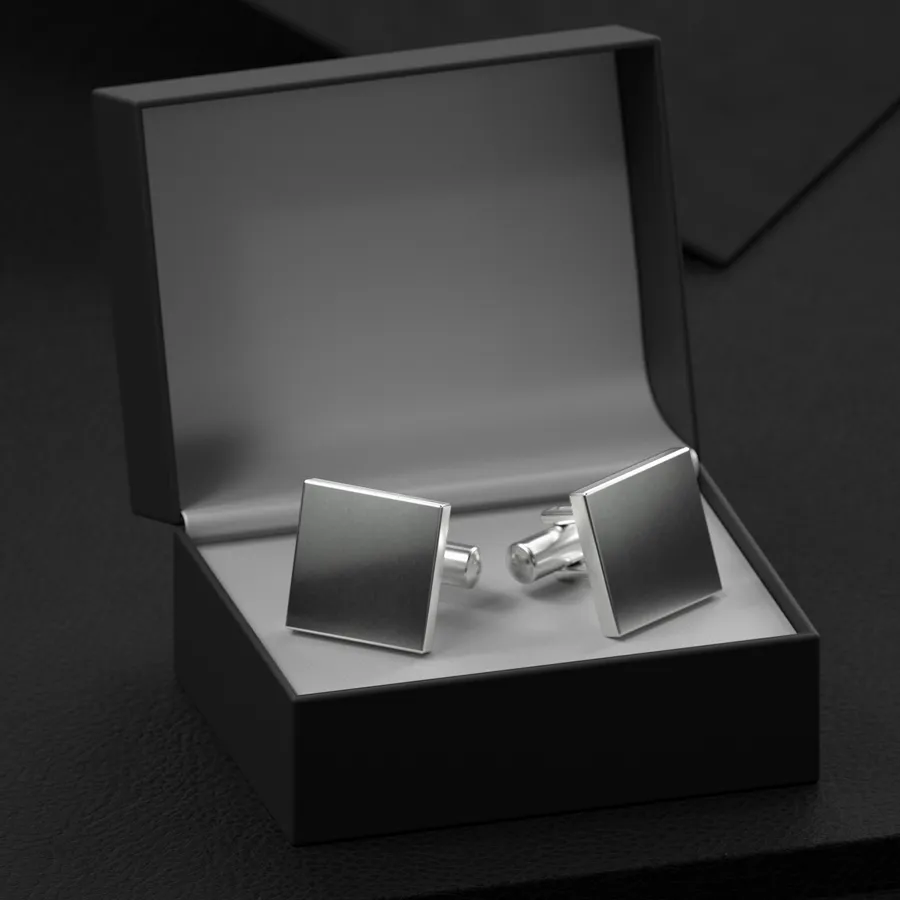
Custom Cufflink Boxes should begin with the real item, process, and route. This page focuses on compact paired-accessory presentation with precise insert holes, pair or multi-pair layouts, gift finish, and storage. Wow Custom Boxes can organise size, material, structure, artwork, and packing choices, while final suitability follows the approved specification and real-use tests.
Small paired-item retention and insert precision define this page, while watch boxes address a larger wearable item with a cushion and greater lid clearance. The practical goal is a compact presentation box that keeps a cufflink pair aligned, visible, removable, and protected from unnecessary contact. Review the same samples and approval points across marketing, purchasing, and operations.
Custom Cufflink Boxes Specification Options
Use this table as a shared project brief. Samples, supplier documents, trials, and final approval still control the order.
| Specification | Available direction | Decision purpose |
|---|---|---|
| Item fit | Measured watch, cufflinks, or accessory | Controls movement and display |
| Box build | Folding carton or selected rigid format | Sets protection and presentation level |
| Insert | Cushion, card, tray, or verified alternative | Holds the item in its viewing position |
| Surface | Printed, wrapped, textured, or decorated | Supports the intended brand character |
| Closure | Lift-off, hinged, sleeve, or approved style | Shapes access and reveal |
| Packing | Protected bulk cartons | Reduces rub during storage and transit |
Measure Custom Cufflink Boxes Around the Real Contents
Accurate specification begins with cufflink face diameter and thickness, post length, toggle shape, pair or multi-pair count, insert holes or slots, backing clearance, lid depth, care card, pouch, and sleeve. Catalogue dimensions do not show how an item behaves when filled, folded, closed, stacked, or handled. Record the physical sample and packing orientation before a production dieline, mould, cut pattern, or roll format is approved.
The fit target is a compact presentation box that keeps a cufflink pair aligned, visible, removable, and protected from unnecessary contact. Allow only the clearance needed for loading, variation, protection, and customer access. Excess space increases movement, while an overly tight design can deform contents, slow staff, strain closures, or hinder opening. Develop the accessory set through custom packaging.
Choose Materials From Verified Requirements
Available directions can include folding or rigid board, paper or selected wraps, paperboard, foam or fabric-faced inserts where verified, and compatible decoration. Weight, stiffness, flexibility, surface, contact role, storage, route, print, packing, and customer handling must be considered together. Request supplier data for the exact proposed construction.
Insert openings must hold the posts or toggles without scratching finishes, deforming mechanisms, hiding the face, or making the pair difficult to remove. Luxury, recycled, recyclable, protective, velvet, leather, and material-origin terms should describe the verified finished specification accurately instead of relying on appearance alone. This gives purchasing teams a specification they can approve and reorder without relying on broad promises. Browse related styles in the cufflink box category.
Test Performance Under Real Service Conditions
A useful approval trial should cover pair spacing, face alignment, post or toggle clearance, insert grip, removal, lid contact, hinge or drawer action, logo position, finish rub, shipping protection, and gift opening. Use the real contents, production-intent materials, and representative packing steps because empty samples cannot reproduce product weight, oils, liquids, heat, pressure, or movement.
Document the test method, sample condition, route, observations, and decision. A pass for one formula, size, carrier, or storage period should not automatically apply to another. Repeat affected checks whenever a component or process changes. For wristwatches, compare mens watch boxes.
Plan Printing Around the Finished Format
Artwork should be evaluated on the assembled, filled, or in-use pack rather than only on a flat screen. Mark folds, seals, glue, hinges, closures, gussets, inserts, fitments, label zones, openings, and high-rub areas on the working dieline. Keep the primary logo and product name in the viewing zone customers will actually see.
Set readable type, strong contrast, barcode quiet zones, version codes, and practical tolerances. Board shade, film colour, texture, coating, white ink, metallic effects, and lighting can change colour. Approve references against the chosen substrate and request a representative proof when reproduction or alignment matters. For premium watch display, see luxury watch boxes.
Make Packing and Fulfilment Repeatable
Operations should review item inspection, cushion or insert loading, warranty-card placement, closure, protective wrapping, SKU coding, case packing, storage, retail display, and customer opening. A visually impressive package can still create waste if it is slow to erect, hard to fill, easy to mix with another size, unstable in a case, or unclear at the point of use. Observe the people who will pack it and record the accepted sequence.
Use clear product codes, artwork names, size marks, case quantities, orientation arrows where useful, and destination labels. Retain one approved sample with the final files. These controls help teams identify the correct version without relying on memory or front-panel colour alone. For structured gifting, explore custom rigid boxes.
Match the Format to Its Best Use Cases
Typical applications include single cufflink pairs, double sets, wedding gifts, corporate awards, formalwear ranges, personalised gifts, ecommerce orders, retail displays, and replacement cases. Suitability still depends on the real item and route. Similar products can differ in weight, density, temperature, fragility, surface, grease, moisture, or compatibility, so they may need different specifications.
A controlled size family can share brand rules, but every size should have its own identifier, dieline, fit approval, quantities, and case label. Group only products that genuinely pass the same loading and route tests. This keeps the range easy to buy without forcing incompatible contents into one universal format. For another menswear item, review custom wallet boxes.
Keep This Product Page Search-Focused
Small paired-item retention and insert precision define this page, while watch boxes address a larger wearable item with a cushion and greater lid clearance. The deciding question is whether a hinged case, lift-off box, drawer, sleeve, folding carton, or compact rigid style best suits pair alignment, gifting, retail space, and budget. Answering that question clearly helps buyers choose the correct format and lets search engines understand why this page exists beside closely related products, categories, colours, materials, or campaign pages.
Choose a neighbouring page when the dominant requirement changes. Internal links should compare a genuinely different material, structure, product, or operational goal rather than repeating one keyword with a new label. This separation reduces cannibalisation. For protected dispatch, use branded mailer boxes.
Approve Proofs, Samples, and the Final Brief
Before production, review item measurements, orientation, insert cut-outs, cushion compression, lid clearance, closure action, logo position, colour, texture, finish, accessories, and the complete presentation. A flat proof checks copy and position, while an assembled or filled sample can expose fit, closure, loading, balance, hand-feel, and opening issues that are difficult to judge on screen. Record any approved deviations so future teams understand what was accepted.
For receiving inspection, check dimensions, squareness, board or wrap shade, insert fit, hinge or lid action, print, foil or decoration, scuffing, case labels, quantities, and fit with the approved item. To request a useful quotation, provide physical cufflink sample, face, post and toggle dimensions, pair count, insert preference, box style, accessories, board and wrap, artwork, finish, quantities, shipping, and deadline. Wow Custom Boxes can then organise the structural, material, print, finish, packing, and version information into one clear production brief for approval. For broader accessories, browse fashion packaging.
Request a Product-Specific Quotation
Send samples, measurements, contents, conditions, material goals, artwork, versions, quantities, packing, destination, and deadline. Approve the relevant fit, claim, proofing, and performance checks before production.
