Product Detailed Description
Custom Dab Rigid Boxes for Concentrate Jar Packaging
Custom Dab Rigid Boxes provide structured secondary packaging for concentrate jars, small containers, and legally sold extract products. Thick rigid board helps the package retain its shape, while a fitted insert controls container movement and creates a clear presentation. Licensed brands can explore
custom packaging solutions developed around the jar dimensions, closure, label, required warnings, sales channel, and applicable packaging rules.
Dab packaging can be customized with brand artwork, product identification, batch information, legally required symbols, and premium finishes. However, a decorative rigid box should not automatically be described as child-resistant, tamper-evident, odor-proof, or compliant unless the complete finished package has been designed, tested, and documented for the specific requirement and market.
What Are Custom Dab Rigid Boxes?
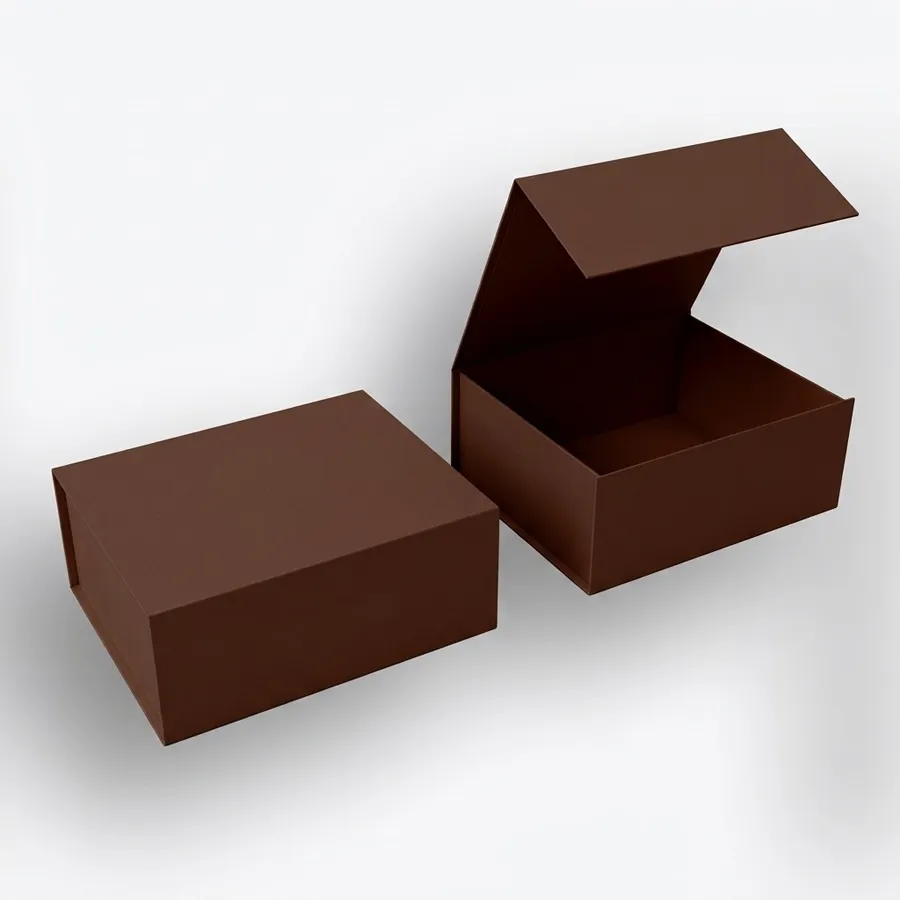
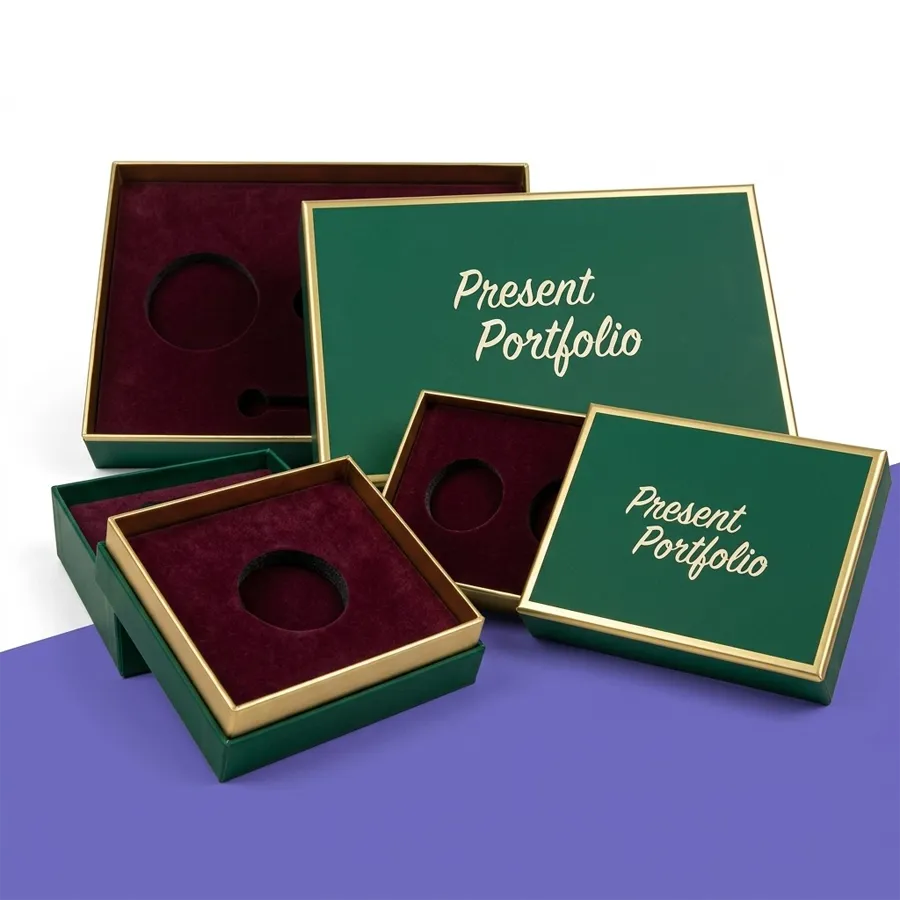
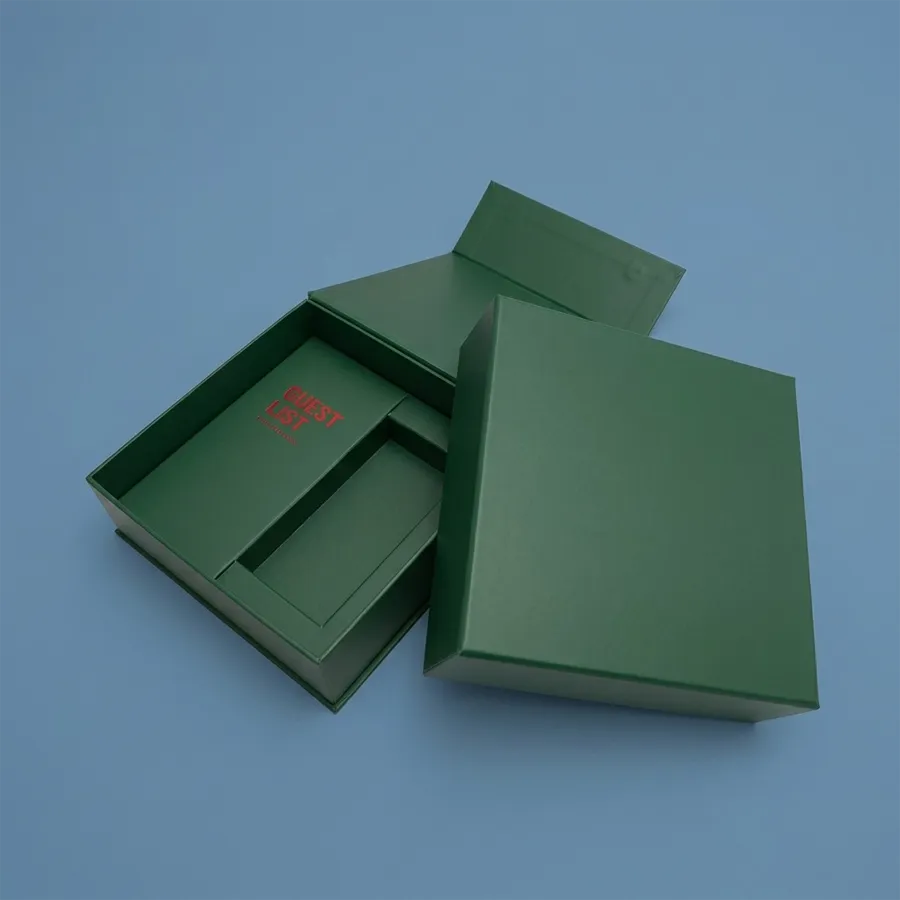
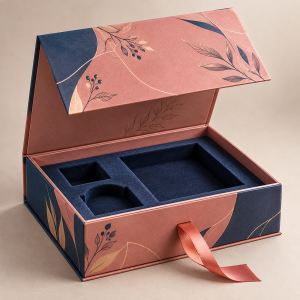
Custom dab rigid boxes are non-collapsible packages manufactured from thick paperboard or chipboard. The structural board is covered with printed or decorative paper, producing firm walls and smooth surfaces for branding and product information.
These boxes are generally used as secondary packaging around a sealed glass, silicone, plastic, or other approved concentrate container. The primary container remains responsible for direct product contact, closure performance, and any barrier requirements. The rigid box supports presentation, organization, and external protection.
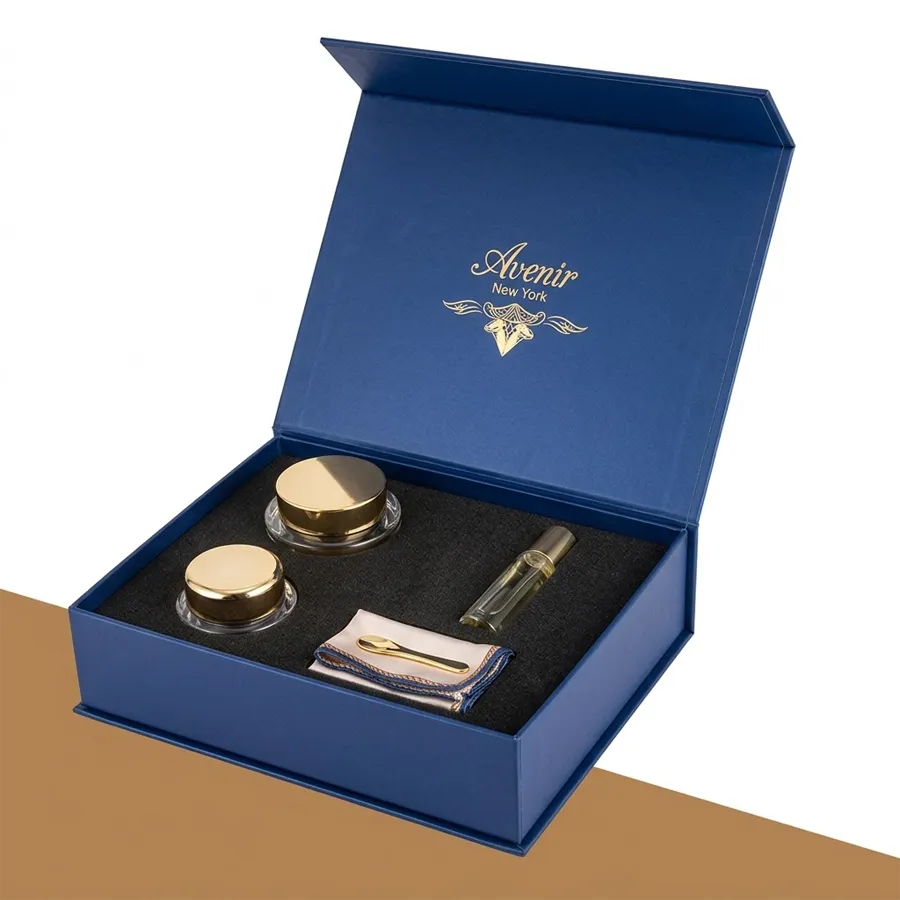
The design can accommodate one jar, multiple containers, a product card, or other permitted components. Every layout should be planned around the actual packed products instead of using one generic cavity for different container sizes.
Rigid Construction for Small Concentrate Jars
Concentrate jars are compact but may be relatively heavy compared with their dimensions. Thick rigid board provides a stable outer body and creates a substantial retail presentation. Board thickness should be selected according to the container weight, package size, opening style, and intended distribution route.
Brands seeking an upscale structure can compare
luxury rigid boxes for material, wrap, and finishing options. Premium construction should still remain appropriately sized for the small container rather than using excessive board or empty space.
Fitted Inserts for Jar Retention
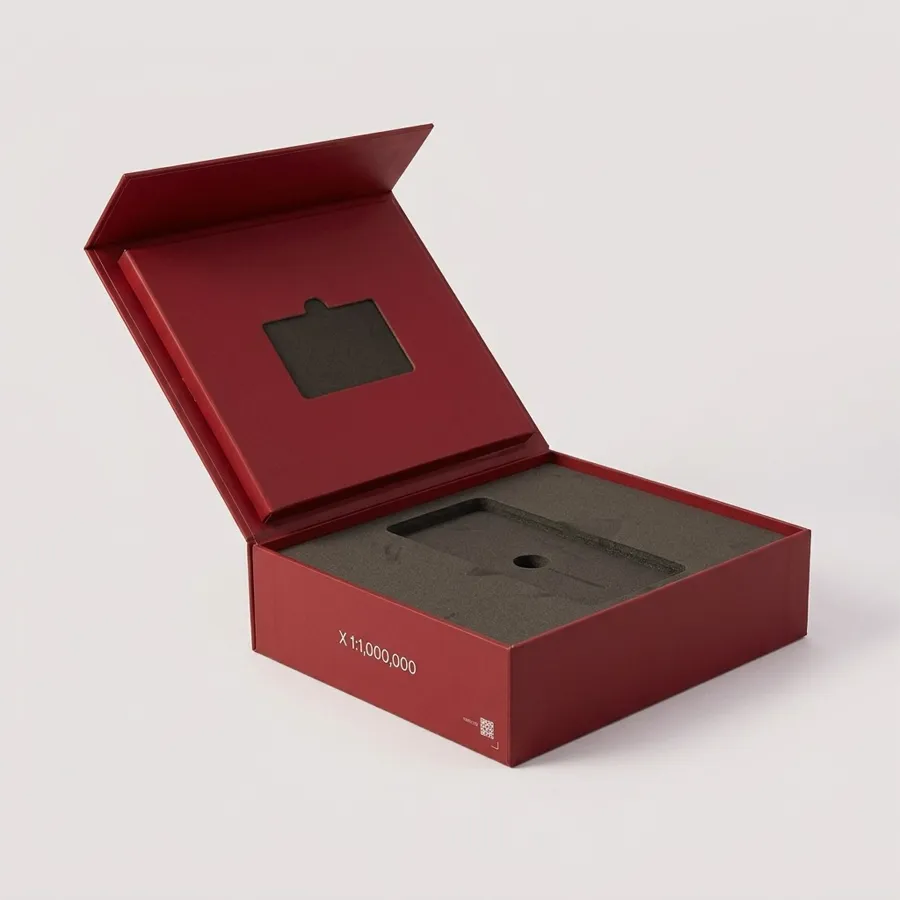
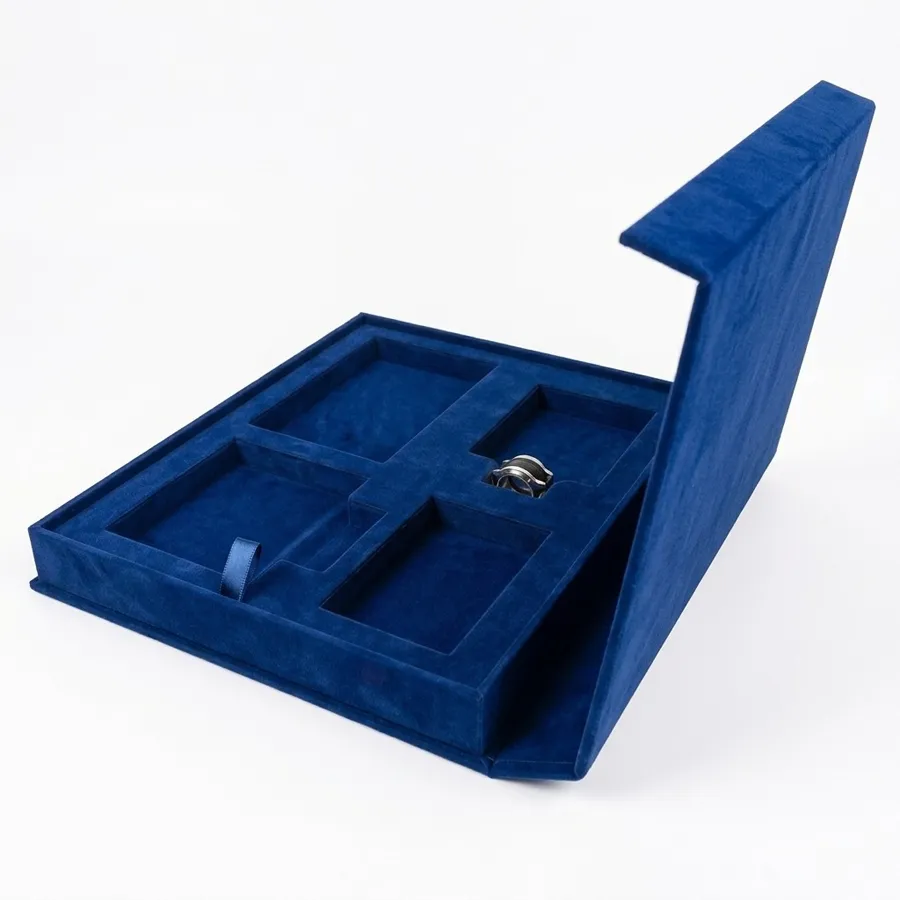
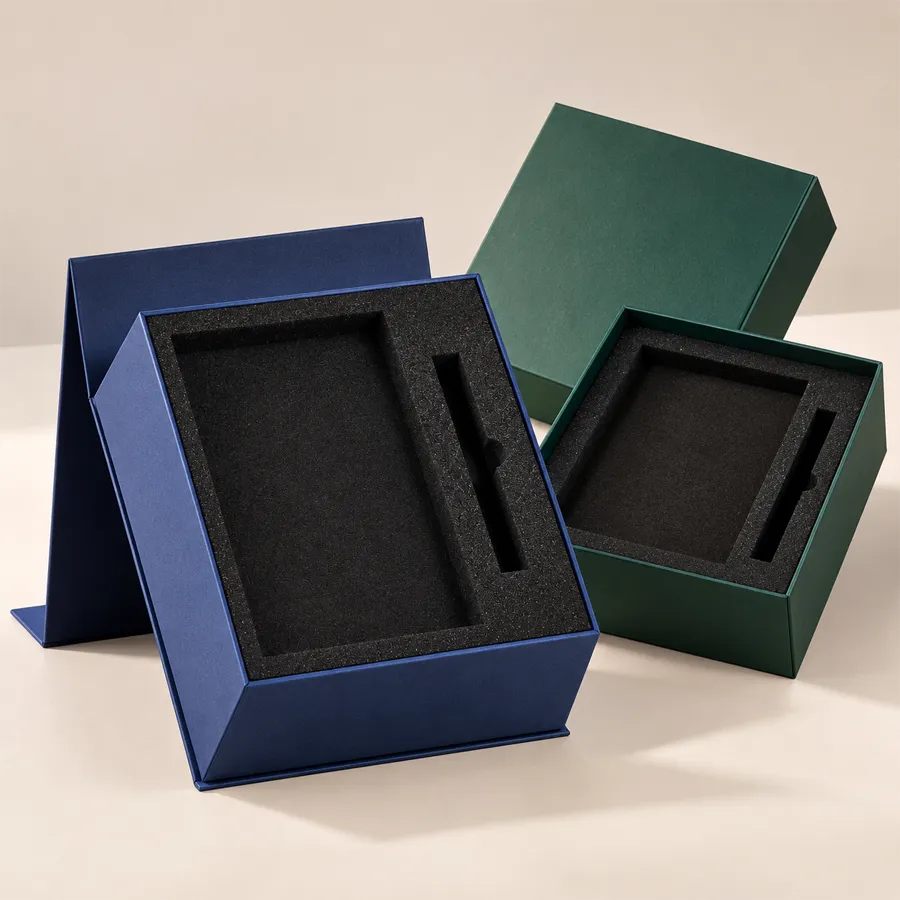
The insert determines how the container sits inside the box. A centered cavity can display one jar, while a multi-cavity tray can organize a permitted product collection. The insert should remain seated when the package is opened or moved.
Rigid boxes with inserts provide a relevant structure for products that require controlled positioning. Paperboard and molded-pulp fitments offer paper-based options, while foam may provide additional cushioning where justified by the approved product and route.
Finger notches, ribbon pulls, and stepped cavities can improve removal. The insert should not cover required information on the primary container or create pressure that interferes with its closure.
Protection From Light, Heat, and External Contact
An opaque rigid box can reduce direct light exposure while the product is packaged, but it should not be described as providing complete light or temperature protection without appropriate evidence. Storage requirements depend on the concentrate, primary container, and local product guidance.
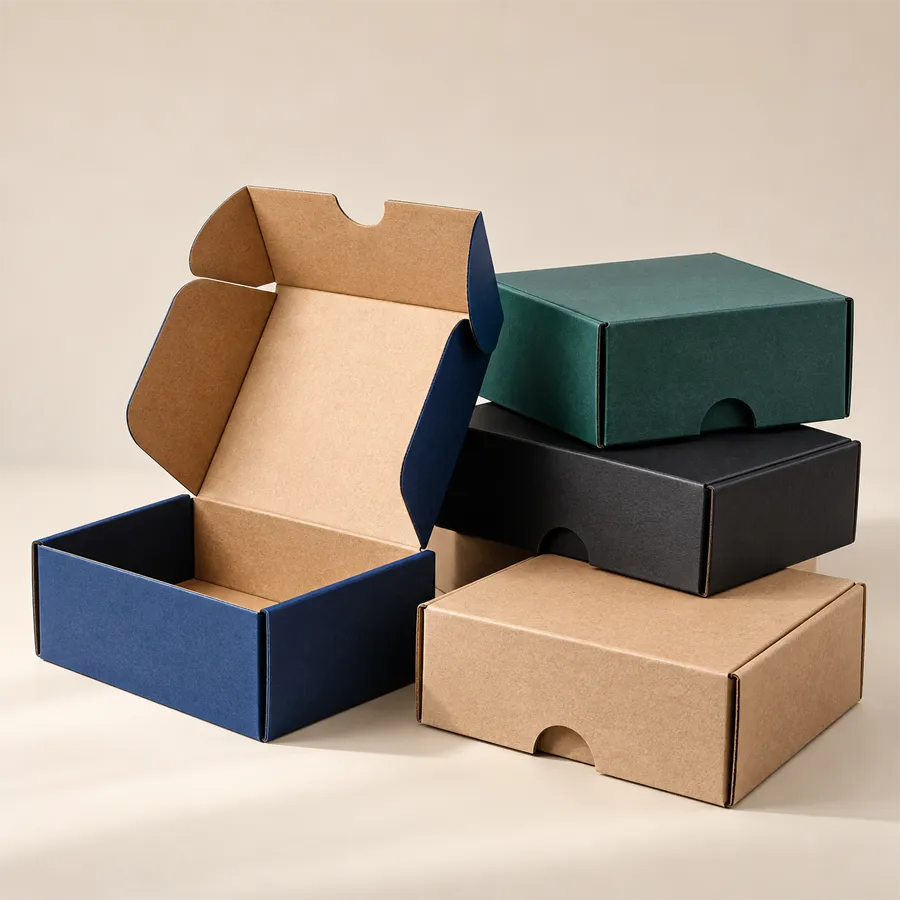
Rigid packaging can also protect labels and jars from external contact during retail handling. However, it does not replace appropriate temperature control, sealed primary packaging, or an outer shipping system when those measures are required.
Storage instructions printed on the box should match the approved product information and applicable regulations.
Child-Resistant Packaging Considerations
Child resistance is a regulated performance characteristic, not simply a visual or structural description. A magnet, sleeve, tuck flap, or tight lid does not automatically make a rigid box child-resistant.
If child-resistant secondary packaging is required, the complete system should use an approved mechanism and undergo the necessary testing for the intended jurisdiction. Changes to the board, dimensions, closure, insert, or manufacturing process may affect the result.
The packaging should also avoid graphics, characters, or wording prohibited for regulated products. Legal and compliance teams should approve the final structure and artwork before production.
Tamper Evidence and Security Seals
A rigid box may include a security label, tear strip, shrink band, or other opening indicator. The chosen feature should make unauthorized opening reasonably visible without preventing intended customer access.
Tamper evidence is different from child resistance. A seal can indicate that a package has been opened, but it does not necessarily prevent a child from accessing the contents.
Seal placement should avoid covering mandatory information, batch codes, or instructions. A filled sample can confirm adhesion and visibility on the selected wrap and coating.
Printing Required Product Information
Exterior and interior printing can include the brand name, product identity, net quantity, batch details, testing information, legally required symbols, warnings, and other approved content. The exact requirements depend on the product and jurisdiction.
CMYK printing supports detailed artwork, while PMS printing may help maintain specific brand colors. Adequate contrast and type size are important, particularly on compact packaging where space is limited.
Mandatory information should not be placed across seams, folds, closure areas, or highly textured surfaces. Space may also be reserved for variable labels, date coding, batch numbers, and market-specific warnings.
Branding Without Appealing to Minors
Regulated-product packaging should be developed for the lawful adult market. Bright youth-oriented characters, cartoon imagery, imitation candy branding, or other prohibited design elements should not be used where regulations restrict them.
Professional artwork can rely on controlled typography, abstract patterns, product-specific color systems, and clearly organized information. Premium finishes should support recognition without obscuring warnings or product details.
Premium Finishes for Dab Packaging
Matte lamination creates a smooth and understated surface, while gloss lamination produces a brighter appearance. Soft-touch coating can add a velvety feel to a premium rigid box.
Foil stamping can highlight a logo or product name. Embossing raises selected elements, debossing presses them into the paper wrap, and spot UV creates glossy contrast over targeted areas.
Finishes should be evaluated for scuffing, label adhesion, readability, and handling. Metallic effects and dark backgrounds should not reduce the visibility of mandatory warnings or batch information.
Coordinated Packaging for Related Product Ranges
Licensed brands may need a consistent visual system across concentrates, cartridge products, tinctures, and other legally sold items. The structural packaging should still remain specific to each product rather than using one box for containers with different dimensions and regulatory requirements.
Where a cartridge range accompanies the wider brand family,
vape cartridge boxes provide a more product-specific format. Bottle-based products can instead use
CBD tincture boxes developed around their container profiles and labeling needs.
Consistent logos, typefaces, and colors can connect the range, while separate dielines, inserts, product names, and warnings prevent confusion between individual products.
Flexible Packaging for Sealed Product Formats
Not every product requires a rigid presentation box. Some sealed products may use flexible barrier packaging when permitted and suitable for the contents. Brands comparing alternate formats can review
custom mylar bags for a different packaging approach.
Material barrier, resealability, child resistance, tamper evidence, and product compatibility must be verified for the exact flexible package. These characteristics should never be assumed from the material name alone.
Frequently Asked Questions
Can Custom Dab Rigid Boxes fit small concentrate jars?
Yes. The dimensions and insert cavity can be developed around the exact sealed container.
Can a fitted insert be added?
Yes. Paperboard, molded pulp, corrugated, or approved foam inserts can hold containers in position.
Are rigid dab boxes child-resistant?
Only when the complete package uses an approved mechanism and passes the required testing for the applicable market.
Can tamper-evident features be included?
Yes. Security labels, tear strips, and other opening indicators can be considered according to project requirements.
Can legal warnings be printed on the box?
Yes. Approved warnings, symbols, product details, and batch information can be printed in designated areas.
Can these boxes hold multiple containers?
Yes. Multi-cavity inserts can organize several individually sealed containers where the product configuration is permitted.
Can premium finishes be applied?
Yes. Matte, gloss, soft-touch, foil stamping, embossing, debossing, and spot UV can be considered.
Do rigid boxes provide odor protection?
The sealed primary container normally provides odor containment; the rigid box should not be described as odor-proof without verification.
Can I order packaging for related product lines?
Yes. Coordinated artwork can be developed while maintaining product-specific dimensions, inserts, and labeling.
Should I approve a sample before production?
Yes. A filled sample can confirm container fit, insert performance, closure, seal placement, and artwork readability.