Product Detailed Description
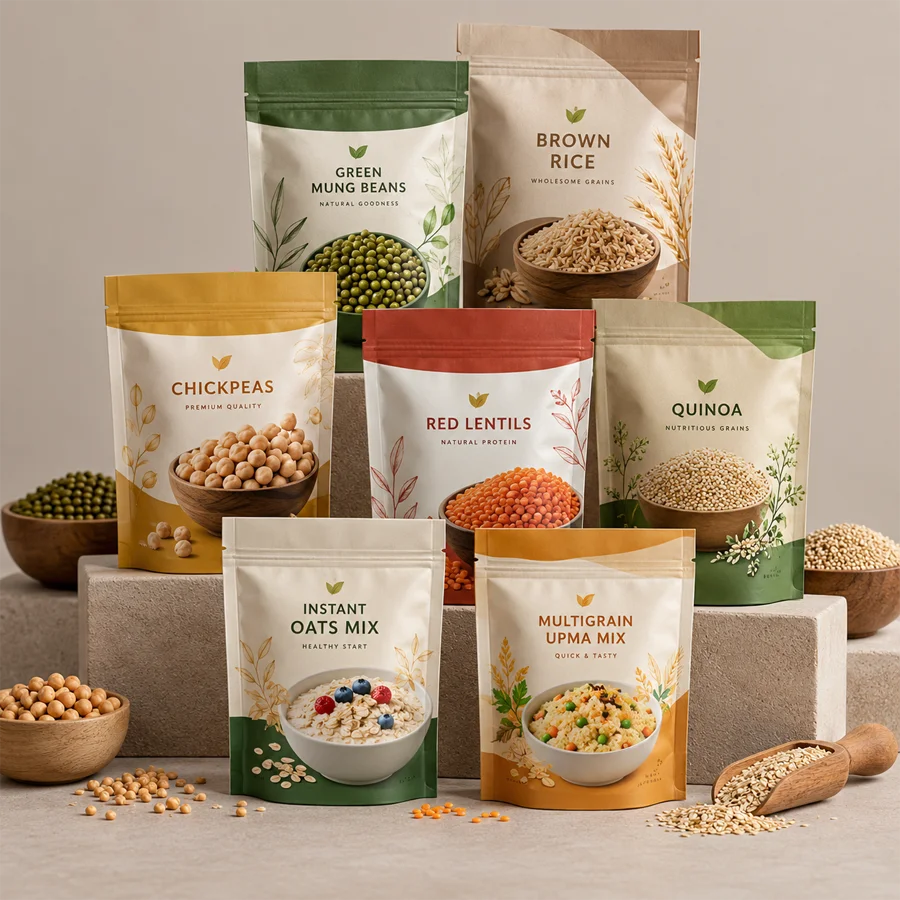
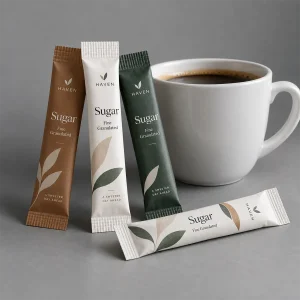
Custom Dry Food Sachets for Convenient Portion Packaging
Package your dry ingredients in compact sachets with clear branding and a practical opening. Dry food sachets can suit seasoning portions, beverage powders, instant soup mixes and other dry products when the material and pack construction match the contents. They provide a convenient format for retail units, meal kits, product samples and foodservice supplies.
Bring your packaging brief to
WOW Custom Boxes with your product type, fill weight and artwork requirements. Discuss a pack that balances presentation, usable capacity and the protection your food needs. Confirm the final material specification and evaluate filled samples before approving production.
Dry Food Sachet Packaging Specifications
| Specification |
Project Details |
| Contents |
Dry powders, seasonings, granules and food mixes, subject to suitability. |
| Fill quantity |
Weight selected for your portion size and intended use. |
| Dimensions |
External width, height and seal allowances confirmed through sampling. |
| Material |
Structure selected for food contact, barrier needs and filling conditions. |
| Printing |
Brand artwork, product information and variant identification. |
| Opening |
Tear feature and dispensing space appropriate to the product. |
| Supply format |
Discuss premade packs or rollstock requirements. |
| Order details |
Quantity, number of designs, sampling and delivery requirements. |
Materials Selected Around Your Dry Food Product
Different dry foods need different packaging protection. Your specification may need to address moisture, oxygen, light or aroma transfer, depending on the ingredients and intended storage period. Select the structure around those requirements rather than choosing solely by appearance or film thickness.
For a paper appearance, compare
paper sachet packaging and request details of the complete construction. Coatings or additional layers may be necessary to provide the required barrier and sealing properties. The visible outer surface does not establish how the finished pack will perform.
For products with more demanding protection requirements, explore
high barrier food sachets and discuss the relevant test data. Ask for food-contact documentation appropriate to your product and intended conditions of use. Shelf life should be assessed using the actual food and finished package.
Custom Printing and Surface Finishes
Give customers a clear view of what is inside. Place the brand name and product identity where they can be recognised quickly, then use colour or a simple graphic to distinguish flavours and variants. Keep the declared quantity readable without letting promotional graphics crowd the panel.
Use the reverse panel for approved ingredient information, preparation directions, storage guidance and coding space. Work from the supplier’s dieline and keep essential text clear of seals, folds and tear areas. Check the artwork at actual size before approval.
Discuss available printing methods and finishes for the selected structure. Request confirmation of colour matching and how the surface will work with batch coding. A printed proof helps assess appearance; a filled sample checks readability and handling on the finished pack.
Custom Sizes for Your Fill Weight
Choose the required portion before setting the sachet dimensions. The volume occupied by a fine powder can differ from that of granules or flakes at the same weight. Allow for the usable internal space, sealing area and clearance required by the filling process.
If your product is a powdered mix, compare
custom powder sachets while assessing flow and dispensing. A pack should hold the intended quantity without making the seal area crowded or leaving insufficient room for instructions. Confirm the size with filled prototypes.
Share the intended serving method as well. A portion emptied into a bowl may need a different opening from one poured into a narrow bottle. Test the opening with your product to check control and convenience.
Sachet Styles and Opening Features
Flat sachets offer front and back panels for compact portion packaging. Discuss three-side or four-side seal formats with your packaging and filling partners, since construction affects usable capacity and how the pack runs on equipment. Confirm which format is available for your project.
A tear notch can provide a starting point for opening, but the result depends on the complete structure. Check that the tear gives customers enough room to empty the contents. Review samples for irregular tearing, residue near seals and handling damage before approving the design.
Uses for Dry Food Sachets
Dry food sachets can support individually portioned ingredients, sampling campaigns and components supplied within a larger pack. For meal kits and takeaway accompaniments,
spice sachets offer a relevant format to compare for seasonings and dry blends.
Beverage brands can explore
coffee sachet packaging or
tea sachet packaging when planning related ranges. Confirm whether the pack is an outer wrapper or a dispensing pack; an ordinary sachet is not automatically a brewing filter.
For small edible portions, consider
snack sachet packaging alongside product shape and handling requirements. Decide whether units will be sold loose, included in multipacks or distributed as samples, then check the fit in any outer carton.
Why Choose WOW Custom Boxes for Your Packaging Enquiry?
Start with a detailed brief that connects your branding to the practical needs of your food product. Share the required quantity, pack format, artwork and distribution plan so the discussion can focus on suitable packaging options. Confirm material availability and printing capabilities for your specification.
Review quotation details before placing an order. Check printing setup, sample costs, conversion, delivery and any separate filling arrangements. Agree on the approved dimensions and material structure in writing so the production specification matches the samples you reviewed.
Request a Dry Food Sachet Packaging Quote
Send WOW Custom Boxes your food type, fill weight, proposed dimensions and number of designs. Include the order quantity and delivery destination. If the size is undecided, describe the serving format and ask about sampling before finalising artwork.
Frequently Asked Questions
1. Can dry food sachets hold powders and granules?
Yes. Suitable structures can package either format. Confirm the fill volume, product flow and seal performance with samples of your actual contents.
2. What material is best for dry food sachets?
The choice depends on food-contact suitability, barrier requirements and filling conditions. Request the full material specification rather than selecting by appearance alone.
3. Can I print my logo and flavour variants?
Yes. Include each design in your artwork brief. Confirm print areas, colour requirements and quantities for the individual variants before approval.
4. How do I choose the correct size?
Start with the fill weight and product volume. Allow for seals and filling clearance, then check usable capacity using a filled prototype.
5. Are dry food sachets suitable for samples?
Yes. They can package trial portions for promotions or product launches. Match the quantity and preparation instructions to the intended serving.
6. Can sachets include an easy-tear opening?
Yes. Discuss available opening features and assess them with filled samples. The opening should support controlled dispensing of your product.
7. How long will my food stay fresh?
Shelf life depends on the ingredients, packaging, storage and filling conditions. Establish it through assessment of your actual product in the proposed pack.
8. What is the minimum order quantity?
Request the current minimum for your dimensions, material and printing requirements. Quantities may differ between specifications and numbers of designs.
9. What should I check in a sample?
Review capacity, seals, opening, print legibility and handling. Confirm material documentation and agreed product testing before approving the production specification.
10. Can I order several product variants together?
Yes. Include all variants in your enquiry. Confirm individual artwork, quantities and whether each product needs a different material or pack size.