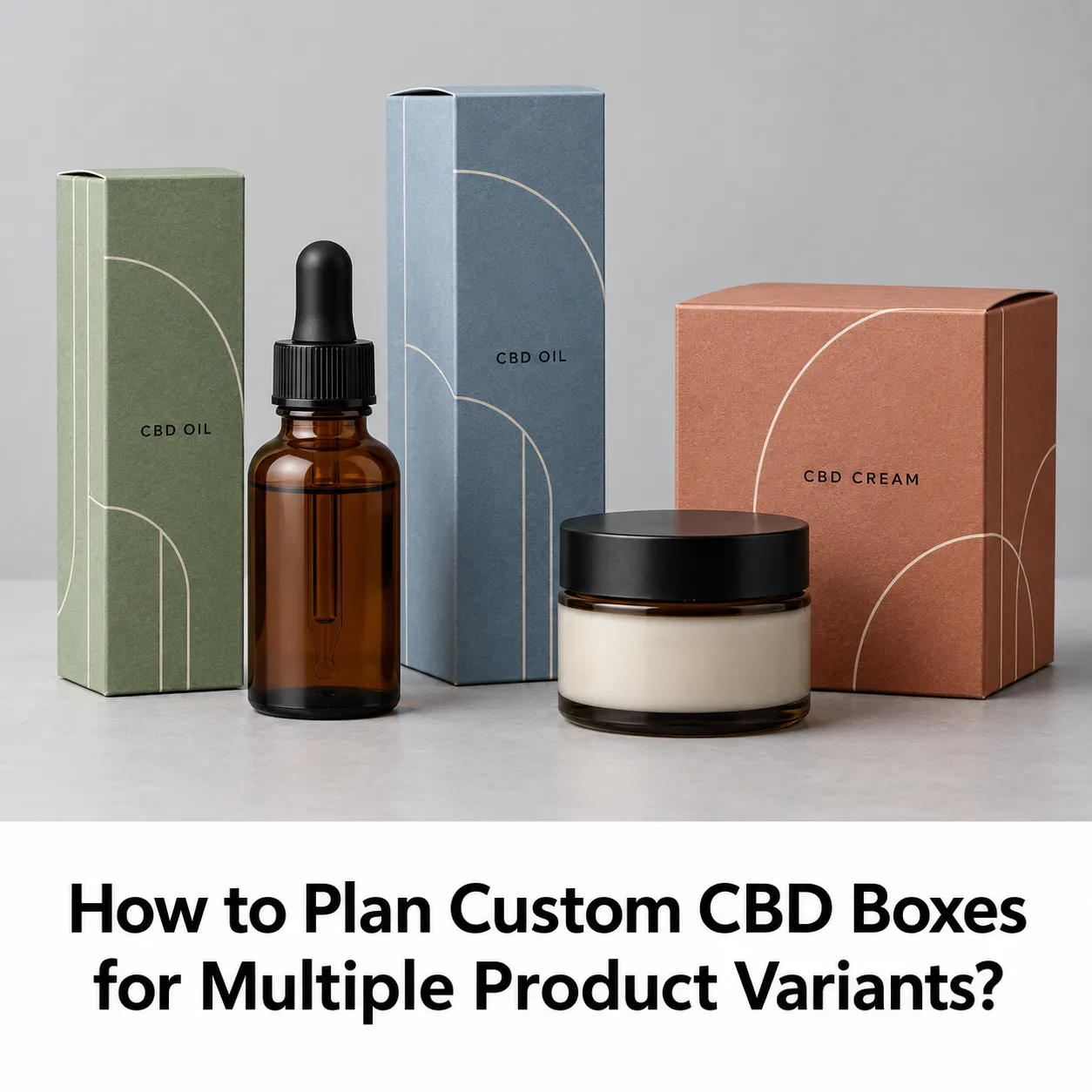
One CBD product is relatively straightforward to package. A growing collection introduces more decisions. Different bottle sizes, formulas, flavors, container shapes, and printed details can quickly turn a simple packaging order into several separate specifications. The challenge is keeping the range recognizable while making each product easy to identify. Customers should understand which variant they are looking at, and packing staff should be able to match the correct box to its contents.Planning custom CBD boxes around a clear product list helps organize these decisions before artwork and production begin. Instead of treating every new variant as a separate design project, you can develop a shared system with controlled differences. This guide explains how to group products, plan box sizes, organize artwork, and prepare quantities for a coordinated packaging order.
Start with a list of every product that needs packaging. Give each variant its own reference rather than relying on informal names such as “small bottle” or “green version.” Record the product name, container size, finished dimensions, filled weight, formula identifier, artwork version, and required quantity. Include the lid or dropper when measuring the finished container.
A simple planning sheet could look like this:
| Product reference | Container | Packaging requirement | Artwork difference |
|---|---|---|---|
| Tincture A | Small dropper bottle | Bottle-fit carton and support | Product name and accent color |
| Tincture B | Same bottle profile | Same structure, subject to fit approval | Formula information |
| Tincture C | Taller dropper bottle | Separate height and support review | Size and product details |
| Topical A | Wide cream jar | Wider carton with jar support | Product category and directions |
| Collection A | Two different containers | Divided set layout | Collection name and contents |
This is an illustrative layout. Replace the examples with your actual products and approved information.
Two products can look different on the outside while using the same box structure. Conversely, two containers with similar labels may need different packaging because their dimensions or closures differ. Structural changes include box dimensions, insert openings, closure design, and the number of products inside. Artwork changes include names, colors, barcodes, and printed product details. Keep these decisions separate in your planning sheet. This helps the supplier understand whether you need one structure with several printed versions or multiple structures with independent artwork. For example, two fragrances in identical jars might share a carton. A taller jar should receive a fit review even if its branding follows the same design.
Group products using measured container profiles rather than product names or advertised capacity alone. Two bottles described as the same volume can have different heights, shoulders, caps, or bases. Those differences can affect the box and its internal support. When developing custom CBD tincture boxes, record the complete dropper assembly, maximum bottle diameter, and any raised label or seal. Confirm that each bottle assigned to a shared structure fits the approved sample. Use the same approach for cream jars and other containers. A packaging family should share verified fit requirements, not simply a similar appearance.
A manageable number of box sizes can simplify artwork preparation, storage, and packing. However, reducing the number of sizes should not create excessive empty space or difficult loading. Review which products genuinely fit a common structure. Where small differences exist, ask whether a revised insert can accommodate them while maintaining practical access. Compare the complete package. A shared outer carton with several complicated inserts may be less practical than two straightforward box sizes. Check the space required for labels, leaflets, and other included items too. A box that fits the container alone may become crowded when the complete contents are added.
A tincture bottle, cream jar, and cartridge should not automatically inherit the same structure because they belong to one brand. Each format has different support points, access requirements, and printed information. Plan them as related parts of the collection while reviewing their physical requirements separately. If your range includes cartridges, custom vape cartridge boxes need measurements for the cartridge body, mouthpiece, protective cap, and any accompanying components. A bottle insert is not a substitute for a cartridge-specific fit. You can keep the same logo placement, typography, and visual language across the range without forcing different products into an unsuitable universal box.
Create a shared layout that customers can recognize across the collection. Decide where the logo, product name, variant description, and container quantity will appear.Keep the hierarchy consistent. If one box presents the variant name directly below the logo, use that arrangement across related products unless the structure requires a deliberate adjustment. Allow room for longer names. A layout that works for a short product name may become cramped when another variant has several words. Review the designs together at their actual printed size. This reveals inconsistencies that can be difficult to notice when files are viewed individually on a screen.
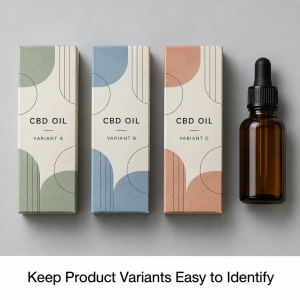
Accent colors can help distinguish variants, but they should support written identification. Choose a controlled palette and record which color belongs to each product. Avoid assigning very similar colors to variants that packing staff must distinguish quickly. Keep the product name and other key identifiers readable. A customer or warehouse employee should not need to remember that one particular shade represents a specific formula. Check the designs in ordinary lighting and on the selected print surface. Subtle color differences may become less obvious after printing, coating, or placement on a crowded shelf.
Some brands also carry liquid products in dispensing bottles alongside tinctures or other formats. These products may share brand styling while needing their own structure and artwork. Where your range includes relevant liquid vaping products, e-liquid boxes should be planned around their actual bottle profile, closure, and approved product information. Do not reuse a tincture artwork file simply because the two bottles appear similar. Product identity, directions, and other variant-specific details need their own review. Treat shared design elements as a template. Keep the information assigned to each product in a separate, controlled artwork version.
Some information changes between variants, while other information may change between production batches. Identify both before finishing the design. Product names and formula details may belong in the main artwork. Batch identifiers or other variable details may need a defined label or printing area. Keep these areas away from folds, seams, and closures where practical. Test the intended label size on an assembled sample rather than relying only on the flat artwork. Use product information approved for the exact variant. Keep required wording and any necessary packaging features in the brief so they are reviewed before production.
Every structure and artwork version should have an identifiable reference. A filename such as “final box new” makes it difficult to know which product or revision it belongs to. Use a consistent naming convention that includes the product reference, structure, and revision.
For example:
CBD-TINCTURE-A-SMALL-R03
Record the approved dieline separately from the artwork revision. If several variants use one structure, their artwork files can share that dieline reference while retaining unique product identifiers. Archive replaced files so they cannot be mistaken for approved versions. Keep a simple register showing which files are ready for production.
Provide quantities for each printed version and box size. A single total can conceal the work needed to produce and organize the order. For example, 1,000 boxes may represent five variants at 200 units each or one variant at 1,000 units. Ask the supplier to quote the actual breakdown. Base quantities on your launch plan, current stock, and expected demand for each product. Ordering equal amounts of every variant may leave you with excess packaging for slower-moving items. Confirm minimum quantities, setup costs, and any conditions for combining variants. Request an updated quotation if the artwork count or quantity allocation changes.
A digital artwork proof can help you review wording and print placement. An assembled sample helps you review fit, access, closure, and loading. For shared structures, check every container assigned to that structure. Do not approve the smallest bottle and assume the taller version will fit equally well. Review each artwork version for product name, barcode, and other changing details. Shared branding does not remove the need for individual checks. Record the approved structure, insert, artwork revision, and quantity together. This creates a clear production brief and a useful reference for repeat orders.
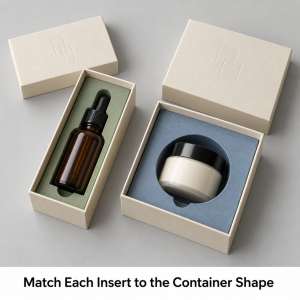
Think about how staff will recognize and handle the packaging after it arrives. Ask for outer case identification that matches your variant references. Keep similar designs in clearly marked locations and maintain a packing reference showing the correct product-box combination. Run a small packing trial when possible. Check whether staff can assemble the carton, place the insert, load the container, and identify the variant without uncertainty.
If products will be shipped, review the complete parcel configuration separately. A coordinated retail carton design does not establish how the filled order behaves during delivery.
Before approaching WOW Custom Boxes, gather the variant list, measurements, product photographs, artwork status, quantity breakdown, and required delivery date. Explain which design elements should remain consistent and which should change. Mark undecided items so the supplier can recommend options rather than working from assumptions. You can contact the packaging team with this brief to discuss structures, interior support, artwork versions, and quotation details. A documented plan makes the initial order easier to review and gives future additions a clear place within the range.
A variant is a distinct product version, such as a different container size, formula, flavor, or pack configuration. It may require different artwork, a different structure, or both.
Yes. Products can share a structure when their complete containers and included items fit the approved packaging. Check every variant before production.
Bottle volume alone does not establish packaging fit. Compare the finished height, diameter, shoulders, closure, and any attached labels or seals.
Yes. Accent colors can support identification, but clear product names and references should remain visible so customers and staff do not rely on color alone.
Yes. Review each version individually because product names and other printed details may change even when the design template remains the same.