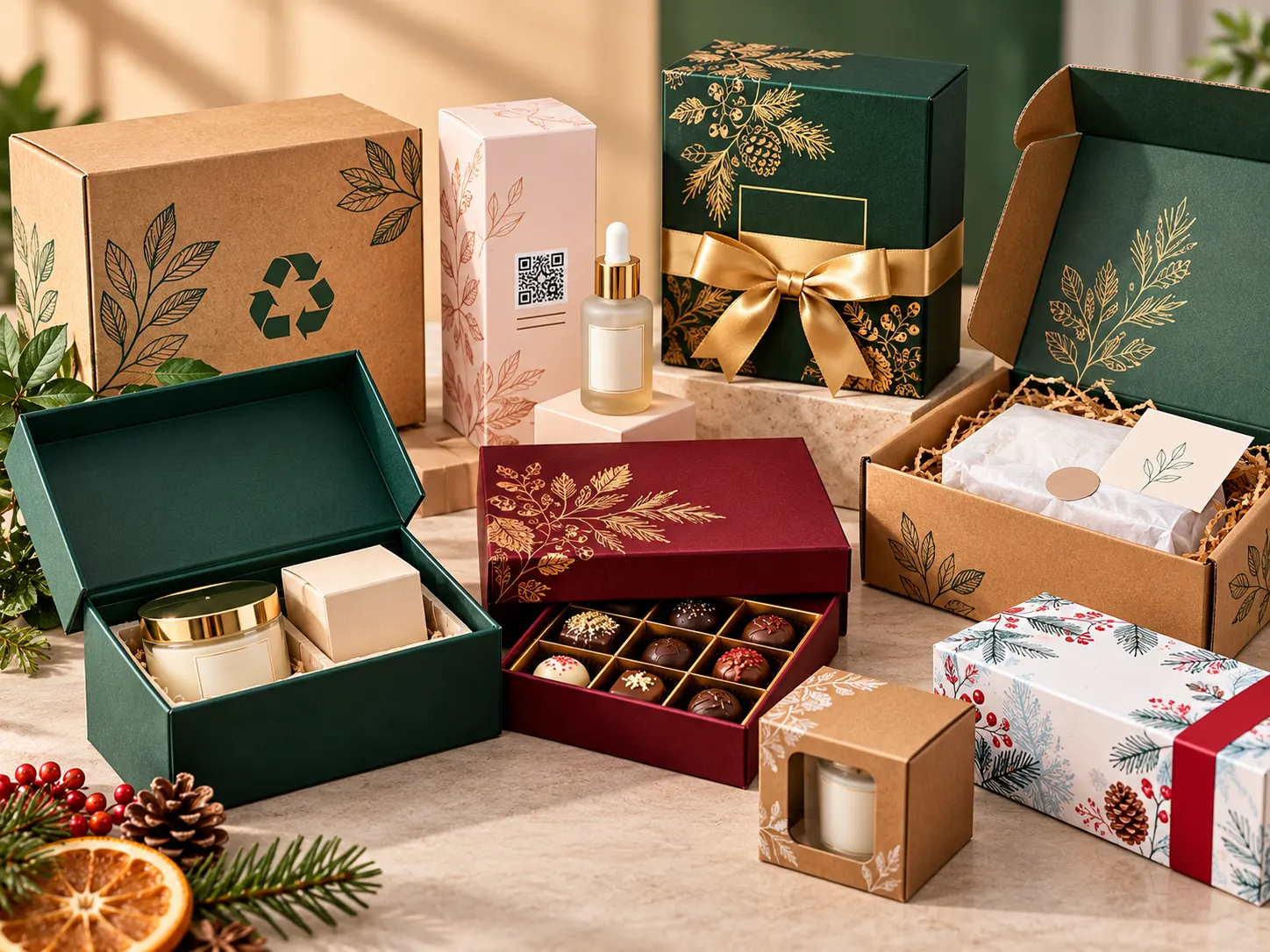
Packaging is changing beyond colours, printed logos and attractive box designs. In 2026, businesses are paying greater attention to how packaging protects products, communicates brand values, reduces unnecessary materials and improves the customer experience. From personalised gift boxes to QR-enabled packaging and more efficient e-commerce mailers, brands are exploring ways to make packaging both practical and memorable. At the same time, customers and regulators are placing greater emphasis on clear, supportable environmental claims rather than vague promises. For businesses selling cosmetics, candles, food, gifts and other consumer products, understanding these developments can help inform packaging decisions for upcoming launches. In this guide, we explore the top packaging design trends for 2026, explain how brands can apply them and highlight practical considerations before investing in a new packaging design.
Sustainability remains an important packaging consideration in 2026, but the focus is increasingly on evidence. Brands need to understand what their packaging contains, how its components should be disposed of and whether their environmental claims can be supported. The Sustainable Packaging Coalition’s 2026 trends report highlights changes in packaging design, recovery systems, innovation and policy. Innova Market Insights also identifies substantiated sustainability as a major packaging trend for 2026.
Businesses can start by reviewing their existing packaging and asking a few practical questions:
For example, a brand may be able to simplify a multi-component package or choose a material that better suits its local recycling system.
However, a kraft appearance does not automatically make packaging sustainable, and not every paper-based or mixed-material package is recyclable everywhere. Use specific, evidence-based claims rather than broad phrases such as “100% eco-friendly”.
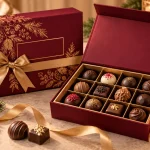
Minimalist packaging continues to offer brands a way to create a polished appearance without covering every surface in graphics. The approach usually combines a limited colour palette, clear typography, deliberate spacing and a small number of decorative details. Seasonal gift packaging in 2026 is also exploring restrained designs alongside distinctive colours and finishes. Consider a matte cream box with a dark logo, a deep green package with subtle foil detailing or a simple black box with carefully placed typography. The goal is to make the product and brand easy to recognise. Every design element should have a purpose. Minimalist packaging can suit cosmetics, candles, premium gifts and subscription products. It can also make it easier to adapt a core design for different product sizes or seasonal collections without rebuilding the entire visual identity. For premium presentation, brands can explore luxury rigid boxes and choose a structure and finish that fit their products.
Packaging is increasingly being used as a connection between the physical product and digital information. QR codes are one way to provide customers with useful details without crowding the printed design. Innova Market Insights identifies digital-enhanced design as a key packaging trend for 2026, including digital experiences that support product information and consumer engagement. <Cite refs={[“turn867097search0″,”turn867097search2”]}/>
Depending on the product and business, a QR code may link to:
For example, a skincare brand could use a QR code to provide a detailed routine guide, while a candle brand could link to care and burning instructions. The landing page should be mobile-friendly, useful and kept up to date. Avoid adding a QR code simply because it looks modern; it should give customers a clear reason to scan it.
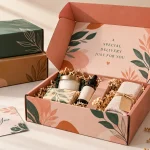
Personalisation gives brands opportunities to create packaging for specific audiences, campaigns, occasions or product collections. This does not necessarily mean printing every customer’s name on a box. It can include different artwork for seasonal launches, limited-edition colourways, subscription collections or special corporate orders.
A tailored design can make a product feel more relevant to a particular occasion. It can also help a business distinguish product ranges while retaining recognisable brand elements. For example, a candle company might use one main box design throughout the year and introduce a winter sleeve with seasonal artwork. A beauty brand could keep the same box structure while changing the printed design for a gift set. Before choosing a short print run, compare setup costs, minimum order quantities, artwork requirements and inventory needs. Digital printing may make some variations easier to produce, but the best option depends on the supplier and order size.
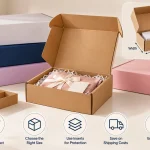
Oversized shipping boxes can waste space, require additional protective material and make orders more difficult to handle. Right-sized packaging aims to provide appropriate protection while fitting the product more efficiently. Mondi’s 2026 e-commerce packaging research discusses how packaging influences fulfilment, shipping and the customer experience. A 2026 report summary published by InternetRetailing also highlights consumer concerns about oversized packaging and the importance of suitable packaging dimensions. <Cite refs={[“turn867097search3″,”turn867097search4”]}/>
Start by measuring the product and identifying the protection it needs during transport. Then choose a box that allows for suitable cushioning without leaving unnecessary empty space.
Businesses should consider:
For brands selling directly to customers, custom e-commerce mailer boxes can be considered when planning branded shipping packaging.
The right design should balance presentation, protection, handling and shipping efficiency rather than focusing on appearance alone.
The unboxing experience remains an important part of how customers interact with a delivered product. A package can feel thoughtful without being complicated or containing excessive decorative material. A well-planned unboxing experience may include a neatly arranged product, a clear opening mechanism, a simple message card and an interior that reflects the brand’s identity.
Use a logical layout: Make products easy to see and remove.
Choose useful inserts: Keep products organised and reduce movement where needed.
Keep the opening process simple: Avoid unnecessary layers that make the package difficult to open.
Add a meaningful detail: A short thank-you message or useful product guide can add value.
Keep the exterior fit for purpose: Packaging should arrive in a condition that reflects the product and brand.
For premium collections, rigid boxes with inserts can help organise products and create a more structured presentation.
A memorable unboxing experience does not require a large box or multiple layers. It comes from thoughtful design and attention to the customer’s needs.
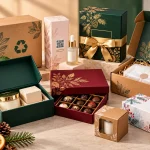
Seasonal packaging gives brands a way to refresh established products for holidays, winter collections, special occasions and limited-edition launches. Recent 2026 gift packaging coverage highlights a range of directions, from bold colours and distinctive finishes to softer palettes and nostalgic seasonal details. <Cite refs={[“turn867097search5″,”turn867097search9”]}/>
Brands can explore:
The best approach depends on the audience and product category. A luxury gift box may benefit from restrained detailing, while a playful confectionery brand may prefer brighter colours and more expressive graphics.
For seasonal shipping and gifting campaigns, holiday mailer boxes can be considered for a branded delivery experience.
If a product remains available after the season, a removable sleeve or outer gift box can help keep the main packaging useful throughout the year.
A packaging trend is only useful when it works in real conditions. Businesses are paying attention not only to appearance but also to storage, packing speed, protection and how easily customers can handle the package. A visually attractive box may create problems if it takes too long to assemble, does not hold the product securely or occupies too much storage space. Before finalising a new design, test the complete package with the actual product. Check how it closes, how the product fits, whether the contents move and how the package performs during expected handling. For products that need extra protection, compare the available board grades, closures and insert designs with your supplier. The right combination will depend on product weight, fragility and distribution method.
Not every trend will suit every product or budget. Use the following framework to narrow down your options.
| Business priority | Packaging direction to consider |
|---|---|
| Premium product presentation | Minimalist designs and selected premium finishes |
| Product information and engagement | QR codes and useful digital content |
| Seasonal promotions | Limited-edition artwork and removable sleeves |
| E-commerce efficiency | Right-sized mailers and fit-for-purpose protection |
| Organised gift sets | Custom inserts and structured boxes |
| Environmental transparency | Verified material information and clear disposal guidance |
Before making a decision, consider the product, target customer, production quantities, storage space and shipping requirements. Request a sample where possible, and compare the complete cost rather than the price of the box alone.
Following every trend: Choose ideas that genuinely support your product and audience.
Making unsupported environmental claims: Check the materials and relevant evidence before using sustainability messaging.
Adding QR codes without a clear purpose: Give customers useful content that justifies scanning.
Using oversized boxes: Select dimensions based on the actual product and its protection needs.
Overcomplicating the unboxing experience: Keep packaging easy to open and dispose of.
Skipping sample testing: Review the structure, artwork, fit and handling before committing to a large production run.
Key developments include evidence-based sustainability claims, digital-enhanced packaging, personalisation, minimalist design, right-sized e-commerce packaging and more thoughtful unboxing experiences. Their relevance varies by product and market.
Yes, it remains an important consideration. Brands should focus on material choices, efficient design and accurate, supportable environmental claims rather than relying on vague marketing language.
QR codes can direct customers to instructions, product information, care guides or other useful digital content. They work best when the linked page is relevant, accessible and kept up to date.
Right-sized packaging uses dimensions suited to the product and its protection requirements. It can help reduce unnecessary empty space and make handling and shipping more efficient.
Start with one or two changes, such as simplifying the artwork, improving the box fit or adding a useful QR code. Test the idea on a small run before applying it to the entire product range.
Not necessarily. A consistent core design can help customers recognise a brand. Businesses can introduce seasonal sleeves, limited-edition artwork or small functional improvements when there is a clear reason to do so.
Packaging design in 2026 is about balancing appearance with practical performance. Verified sustainability information, digital features, personalisation, right-sized shipping boxes and memorable unboxing experiences offer different ways for brands to improve their packaging.
The most useful trend is the one that solves a real problem for your product or customer. Start with the basics: choose a suitable structure, protect the contents, keep information clear and make sure the finished package works in real conditions.
For more inspiration, explore WOW CUSTOM BOXES UK and review packaging options that suit your product range. If you are planning a new design or improving an existing package, contact the team to discuss your requirements.