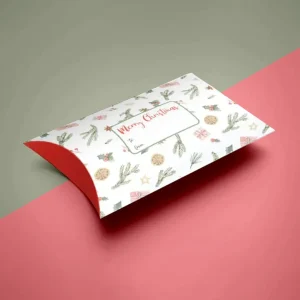
Product Image
Product Image
Product Image
Product Image
logos payment

Paper Pillow Boxes

in stock
| SKU: WCB-12

$0.10

Enjoy free shipping on all orders—just use code WowFree at checkout!

Add to cart
For Custom Sizes: Get Free Quote

    WOW Custom Boxes Shop
    View Store
    Fast Delivery

    Deliver in 7 to 10 Working Days.

    Free Design Support

    24 Hours Free Design Support.

    Secure Payment

    We ensure secure payment!

    Support 24 Hours

    Contact us 24 hours Mon-Fri.

    Quality Service

    At WOW Custom Boxes, we are committed to delivering exceptional quality in every service.

    100% Satisfaction Guaranteed
    Specifications Details
    Dimension (L + W + H) All Custom Sizes & Unique Shapes
    Quantities Minimum Order Quantity is 500 Pieces
    Paper Stock BoPET (biaxially-oriented polyethylene terephthalate) film, 89 µ to 178 µ (or 3.5 mils up to 7 mils)
    Printing No Printing, CMYK, CMYK + 1 PMS color, CMYK + 2 PMS colors
    Finishing Gloss Lamination, Matte Lamination, Gloss AQ, Gloss UV, Matte UV, Spot UV, Embossing, Foiling
    Included Options Die Cutting, Gluing, Scoring, Perforation
    Additional Options Zipper, Hanging holes, Tear Notch, stand-up feature, child-resistant lock
    Proof Flat View, 3D Mock-up, Physical Sampling (On request)
    Turnaround 7 - 10 Business Days
    Product Description
    Pack lightweight products in paper pillow boxes that combine an efficient folding design with a soft curved shape. These cartons can be produced in white, colored, textured, recycled-content, or specialty paperboard and supplied flat for convenient storage. Customize dimensions, print, windows, hang tabs, ribbons, or simple surface finishes to suit retail and gifting needs. Paper pillow boxes work well for jewelry, gift cards, small cosmetics, soaps, apparel accessories, confectionery, samples, and event favors.
    Product Detailed Description

    Paper Pillow Boxes Built for a Clear Commercial Purpose

    Paper Pillow Boxes should begin with the real product, packing process, and route. This page focuses on packaging developed to provide a lightweight, easy-to-store carton with a distinctive curved silhouette for small products and gifts. Wow Custom Boxes can organize size, material, structure, artwork, finishing, and packing choices, while final suitability follows the approved specification and real-use tests. Paperboard selection, folding behavior, and lightweight retail use define this page; printed pillow boxes lead with graphics, kraft pages with natural brown stock, and logo pages with brand visibility. The practical target is a format designed around item dimensions, packed depth, product weight, paper thickness, fold direction, curved-end allowance, insert or wrap, closure overlap, storage method, and case count. Use pillow boxes when the dominant construction or purpose changes. Keep shared samples and approval points.

    Paper Pillow Boxes Specification Options

    Use this table as a shared commercial brief; the approved sample and final specification still control production.
    Paper Pillow Boxes planning guide
    Specification Available direction Decision purpose
    Product fit Matched lightweight-item dimensions Controls shape and insertion
    Paperboard White, colored, kraft, textured, or approved paperboard Balances folding and print
    Closure Curved fold-in ends or approved variation Supports assembly and opening
    Brand face Logo, spot color, process print, or approved finish Builds the intended page focus
    Options Window, hang tab, ribbon slot, or insert Supports display and gifting
    Case packing Flat supply and counted cartons Supports storage and inventory

    Measure Paper Pillow Boxes Around the Real Contents

    Accurate specification begins with item dimensions, packed depth, product weight, paper thickness, fold direction, curved-end allowance, insert or wrap, closure overlap, storage method, and case count. Catalogue dimensions do not show how a package behaves when filled, folded, sealed, closed, stacked, opened, or carried. Record the physical product, any inner wrap or insert, and the intended packing orientation before a production dieline, cutting pattern, tooling plan, or final material order is approved. Allow only the clearance needed for loading, normal manufacturing variation, required protection, and customer access. Excess space can increase movement, shipping volume, or weak presentation, while an overly tight fit may deform the product, strain closures, slow staff, or make opening difficult. Coordinate the complete packaging system through custom packaging, and approve measurements against the real contents rather than estimates.

    Choose Materials From Verified Requirements

    Available material directions can include smooth white paperboard, recycled-content card, colored stock, kraft-backed board, textured paper, and specialty cardstock. Weight, stiffness, flexibility, surface, contact role, barrier or cushioning needs, storage, route, print, packing, and customer handling should be considered together. Request supplier data for the exact proposed construction; material names alone do not confirm performance or suitability. Food-contact, recycled, recyclable, compostable, barrier, freshness, protection, and shelf-life claims must match the exact construction, product evidence, approved artwork, and intended market. Paper selection influences folding memory, print clarity, surface feel, and how smoothly the curved ends close, so stock should be tested against the final dimensions. This gives purchasing teams an approvable, repeatable specification. Compare custom pillow papers when the material or functional role changes.

    Test Performance Under Real Service Conditions

    A useful approval trial should cover fold memory, board cracking, curved-end closure, product fit, surface marking, window strength, packing speed, shelf handling, and case compression. Use the real product, production-intent materials, and representative packing steps because empty samples cannot reproduce packed weight, oils, moisture, heat, pressure, vibration, abrasion, or movement. Document the test method, sample condition, route, observations, and decision. A pass for one size, formula, carrier, campaign, or storage period should not automatically apply to another. Repeat affected checks whenever a component or process changes. For a related option, review cardboard boxes.

    Plan Printing Around the Finished Format

    Printing can include minimal one-color marks, full-color product graphics, care details, gift messages, patterns, batch information, and inside decoration. Evaluate artwork on the assembled or filled pack, not only on a flat screen. Mark folds, seals, glue, closures, gussets, inserts, openings, windows, labels, and high-rub areas on the dieline. Keep the primary logo and product name in the real viewing zone. Finishing may include uncoated paper texture, aqueous coatings, matte or gloss lamination, light foil details, embossing, and window options. Set readable type, strong contrast, barcode quiet zones, version codes, and practical tolerances. Stock shade, texture, coatings, white ink, metallic effects, and lighting can change color. Approve references on the chosen substrate and request a representative proof when reproduction matters. Compare display packaging.

    Make Packing and Fulfilment Repeatable

    Operations should review flat storage, pre-breaking curves, product wrapping, insertion, end closing, ribbon or label application, shelf stocking, and online fulfilment. A visually impressive package can still create avoidable cost if it is slow to form, difficult to fill, easy to confuse with another version, unstable in a case, unsuitable for the route, or unclear at the point of opening. Observe the people who will pack and handle it, then record the accepted sequence. Use clear product codes, artwork names, size marks, case quantities, orientation guidance where useful, and destination labels. Retain one approved production sample with the final dieline, proof, material record, and packing instructions. These controls help teams identify the correct version without relying on memory or front-panel color alone. For a complementary packing or presentation component, compare e-commerce boxes.

    Match the Format to Its Best Use Cases

    Typical applications include boutique shelves, craft markets, online order inserts, party favors, wedding tables, seasonal gifts, and checkout merchandising. Size groups can cover rings, earrings, gift cards, soap, cosmetics, scarves, ties, sweets, seed packets, and small handmade goods. Suitability still depends on the real item and route. Similar products can differ in weight, density, temperature, fragility, grease, moisture, barrier, or compatibility, so they may require separate specifications. A controlled range can share brand rules, but every size should have its own identifier, dieline, fit approval, quantities, and case label. Group only products that pass the same loading and route tests. This keeps the range easy to buy without forcing incompatible items into one format. For a connected use, see cosmetic pillow boxes.

    Keep This Product Page Search-Focused

    Paperboard selection, folding behavior, and lightweight retail use define this page; printed pillow boxes lead with graphics, kraft pages with natural brown stock, and logo pages with brand visibility. The deciding question is whether this page solves its named buyer requirement more directly than a neighboring category. Clear differences in material, structure, application, and purchasing intent help buyers choose and explain why the page exists beside similar products. Choose another page when the dominant requirement changes. Internal links should compare a genuinely different packaging role rather than repeat one keyword with a new label. This separation reduces cannibalization. For the nearest alternative purpose, explore apparel pillow packaging. The primary keyword cluster remains specific to paper pillow boxes.

    Approve Proofs, Samples, and the Final Brief

    Before production, review product and packaging dimensions, packed weight, material, closure, structural fit, panel hierarchy, required copy, barcode or QR code, color, finish, version names, case count, and route. A flat proof checks copy and position, while an assembled and filled sample can expose loading, balance, closure, hand-feel, movement, presentation, or opening issues that are difficult to judge on screen. Record approved deviations for future repeat orders. For receiving inspection, check the named material, dimensions, cut, scores, seals or glue, closure, print registration, finish, coding zones, case labels, quantities, and fit against the retained approved sample. To request a useful quotation, provide physical samples or exact measurements, use conditions, material goals, structure, artwork versions, quantities, packing preference, destination, and deadline. Wow Custom Boxes can then organize the structural, material, print, finishing, packing, and version information into one production brief for approval.

    Request a Product-Specific Quotation

    Send samples, measurements, contents, use conditions, artwork, quantities, packing details, destination, and deadline. Approve the relevant checks before full production.

    Frequently Asked Questions

    What are paper pillow boxes?They are folding cartons with curved sides and closing end flaps that create a pillow-like shape.
    Which products fit paper pillow boxes?They work best for lightweight gifts, jewelry, cosmetics, cards, accessories, soaps, sweets, and favors.
    Can recycled paperboard be used?Yes, depending on the required color, print finish, stiffness, and product presentation.
    Do paper pillow boxes require glue?Many styles close through folded end flaps, although certain constructions or production steps may use adhesive.
    Can paper pillow boxes have windows?Yes. A die-cut opening can display the item, with or without a transparent film depending on the brief.
    Are they supplied flat?Typically yes, allowing more efficient transport and storage before they are folded for packing.
    Can the paper be textured?Yes. Textured and specialty papers can add tactile character, though print methods should suit the surface.
    How is the correct size calculated?Use the product's length, width, depth, weight, wrapping, and required packing clearance.
    Can ribbon slots be added?Yes. Die-cut slots can hold ribbon or cord when the board and structure are suitable.
    Are wholesale orders available?Yes. Quantity planning can support boutiques, events, product launches, and ongoing retail programs.

    You Might Also Like

    On Sale Black Cardboard Pillow Boxes
    Black Cardboard Pillow Boxes
    Fast Delivery Service
    $0.20 /Qty $1.00
    Custom Pillow Boxes with logo
    Custom Pillow Boxes with logo
    Fast Delivery Service
    $0.10/Qty
    Cardboard Pillow Boxes
    Cardboard Pillow Boxes
    Fast Delivery Service
    $0.10/Qty
    Pillow Candy Boxes
    Pillow Candy Boxes
    Fast Delivery Service
    $0.10/Qty
    Christmas Pillow Boxes
    Christmas Pillow Boxes
    Fast Delivery Service
    $0.10/Qty
    Kraft Pillow Boxes
    Kraft Pillow Boxes
    Fast Delivery Service
    $0.10/Qty
    Custom Printed Pillow Boxes
    Custom Printed Pillow Boxes
    Fast Delivery Service
    $0.10/Qty
    Free Shipping
    Enjoy Free shipping all over the US
    100% Satisfaction
    Quality guaranteed for every order.
    Secure Payments
    Safe and trusted payment options.
    24 Hours Support
    We are available from Monday- Friday 24 Hours.